The Indian cricket team has taken a step back in time with their training approach, embracing old-school net sessions as they prepare for the crucial T20 World Cup 2024 campaign. Under the leadership of captain Rohit Sharma and coach Rahul Dravid, the team is focusing on specific match situations rather than generic practice routines.
Traditional Methods Meet Modern Challenges
At the Cantiague Park in New York, where the team is currently based, the Indian squad has implemented a structured net session format that mirrors actual match conditions. The team used three separate nets simultaneously, each dedicated to different aspects of the game and specific player requirements.
This approach marks a significant departure from the usual training methods seen in recent years. The coaching staff, including Dravid and fielding coach T Dilip, have designed sessions that simulate real match pressure and scenarios that players are likely to encounter during the tournament.

Player-Specific Preparation Strategies
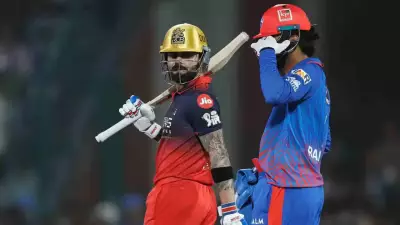
The net sessions revealed careful planning for individual player needs. Virat Kohli, who just joined the squad after a brief break, faced throwdown specialists to regain his timing and rhythm. The star batter took his time getting accustomed to the conditions, focusing on building his innings methodically.
Meanwhile, Rohit Sharma engaged in extensive batting practice against both pace and spin bowling. The Indian captain particularly worked on playing straight down the ground and executing sweep shots against slower bowlers, indicating specific plans for the tournament ahead.
Young talents like Yashasvi Jaiswal and Sanju Samson also received specialized attention, with coaches working on their technical adjustments and shot selection against various bowling types.
Bowling Unit Fine-Tuning
The bowling department showed equal dedication to their craft. Jasprit Bumrah and Arshdeep Singh bowled extended spells, working on variations and death bowling strategies. The pace duo focused on executing yorkers and slower balls with precision, crucial skills for the T20 format.
Spin twins Kuldeep Yadav and Yuzvendra Chahal practiced their variations extensively, with particular emphasis on controlling the middle overs and creating pressure through dot balls. The support staff closely monitored their lengths and trajectories, making real-time adjustments during the session.
The comprehensive net practice lasted nearly two hours, with players rotating between different nets to experience varied challenges. This methodical approach demonstrates the team's seriousness about ending India's ICC trophy drought that has persisted since 2013.
With their first warm-up match against Bangladesh scheduled for June 1, followed by the tournament opener against Ireland on June 5, these intensive net sessions could prove crucial in determining India's fortunes in the competition being co-hosted by the United States and West Indies.