

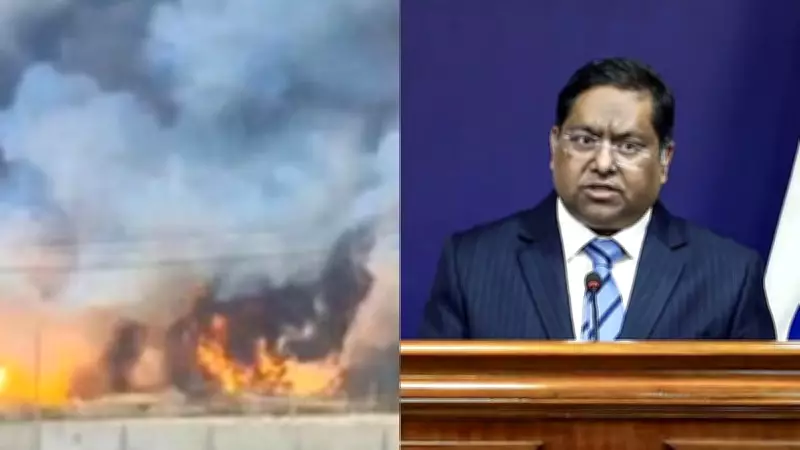
MEA Addresses West Asia Conflict as Energy Prices Surge After Iran Retaliates to Israeli Attack
The Ministry of External Affairs (MEA) has spoken out on the escalating West Asia conflict, highlighting the significant surge in global energy prices following Iran's retaliatory actions against an Israeli attack. In a statement, the MEA described this period as a "testing time for everyone," emphasizing the widespread impact of the geopolitical tensions on economies and international relations.
Iran's Retaliation and Its Global Repercussions
In response to a recent Israeli attack, Iran launched a series of retaliatory measures that have intensified the conflict in West Asia. This escalation has not only heightened regional instability but also triggered a sharp increase in energy prices worldwide. The MEA noted that such developments pose challenges for all nations, particularly those dependent on oil and gas imports, as market volatility disrupts supply chains and inflates costs.
MEA's Perspective on the Conflict
The MEA's comments underscore the broader implications of the West Asia conflict, which extends beyond military engagements to affect global economic stability. Officials stated that the situation has been a "testing time for everyone," reflecting concerns over humanitarian issues, diplomatic efforts, and the need for peaceful resolutions. India, with its strategic interests in the region, is closely monitoring the developments and advocating for de-escalation to mitigate adverse effects on trade and energy security.

Impact on Energy Markets and International Relations
The surge in energy prices following Iran's retaliation has sent shockwaves through international markets, prompting fears of prolonged economic strain. Key points include:
- Price Volatility: Oil and gas prices have spiked, affecting consumers and industries globally.
- Supply Chain Disruptions: Increased tensions threaten energy supplies, particularly for import-dependent countries.
- Diplomatic Challenges: The conflict complicates international diplomacy, with nations balancing alliances and economic interests.
Experts warn that if the conflict persists, it could lead to sustained high energy costs, impacting inflation and growth in multiple sectors.
Looking Ahead: Calls for Peace and Stability
In light of these developments, the MEA has reiterated the importance of dialogue and peaceful conflict resolution. The ministry emphasized that all parties must work towards reducing tensions to prevent further economic and humanitarian fallout. As the West Asia conflict continues to evolve, global attention remains focused on efforts to stabilize the region and safeguard international energy markets from prolonged disruption.






