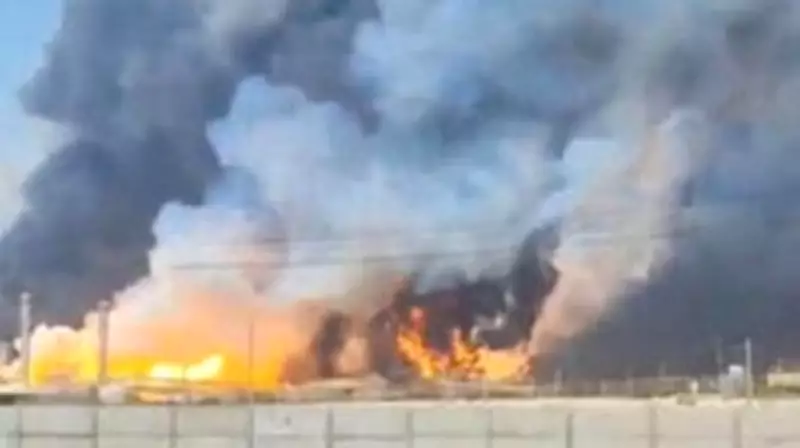
Iran's Retaliation Sparks Global Energy Crisis After Israeli Attack
In a dramatic escalation of tensions in the Middle East, global energy prices have surged sharply following Iran's retaliatory actions against an Israeli attack on the South Pars gas field. This critical development has sent shockwaves through international markets, raising fears of prolonged instability and economic repercussions worldwide.
Background of the Conflict
The crisis began when Israel launched a targeted strike on the South Pars gas field, a major natural gas reservoir located in the Persian Gulf and shared between Iran and Qatar. This facility is one of the world's largest gas fields, playing a pivotal role in Iran's energy exports and regional influence. The Israeli attack, reportedly aimed at disrupting Iran's energy infrastructure, prompted an immediate and forceful response from Tehran.
Immediate Impact on Energy Markets
Following Iran's retaliation, oil and natural gas prices experienced a significant spike across global markets. Analysts report that Brent crude oil prices jumped by over 5% in early trading, while natural gas futures saw even steeper increases. This surge reflects heightened concerns about supply disruptions from the Middle East, a region that accounts for a substantial portion of the world's energy production.

The volatility has been particularly pronounced in Asian and European markets, where reliance on Middle Eastern energy imports is high. Traders are bracing for potential further escalations, with some predicting that prices could climb even higher if the conflict intensifies or spreads to other key facilities.
Geopolitical Ramifications
This incident marks a significant escalation in the long-standing rivalry between Iran and Israel, with direct military actions now impacting critical economic sectors. The South Pars gas field attack and subsequent retaliation have drawn international attention, with several world leaders calling for de-escalation to prevent a broader regional conflict.
Experts warn that sustained hostilities could lead to prolonged energy market instability, affecting everything from consumer fuel costs to industrial production globally. The situation also raises questions about the security of other energy infrastructure in the region, potentially prompting reassessments of supply chains and energy policies by importing nations.
Economic and Global Implications
The energy price surge comes at a sensitive time for the global economy, which is already grappling with inflationary pressures and supply chain challenges. Key implications include:
- Increased inflation risks: Higher energy costs are likely to trickle down to consumers through elevated prices for transportation, heating, and goods production.
- Market uncertainty: Investors are reacting nervously, with energy sector stocks experiencing volatility and safe-haven assets like gold seeing increased demand.
- Policy responses: Governments and central banks may need to adjust economic policies to mitigate the impact of rising energy prices on growth and inflation targets.
Furthermore, this event underscores the fragile nature of global energy security, highlighting how geopolitical conflicts in key producing regions can have immediate and far-reaching economic consequences.
Looking Ahead
As the situation develops, market observers are closely monitoring diplomatic efforts to ease tensions. Any resolution or further escalation will likely dictate the trajectory of energy prices in the coming weeks. In the meantime, businesses and consumers worldwide are advised to prepare for potential continued volatility in energy costs, with analysts emphasizing the need for diversified energy sources and contingency planning.
The Iran-Israel confrontation over the South Pars gas field serves as a stark reminder of the interconnectedness of geopolitics and global economics, where military actions in one region can swiftly translate into economic challenges across the globe.