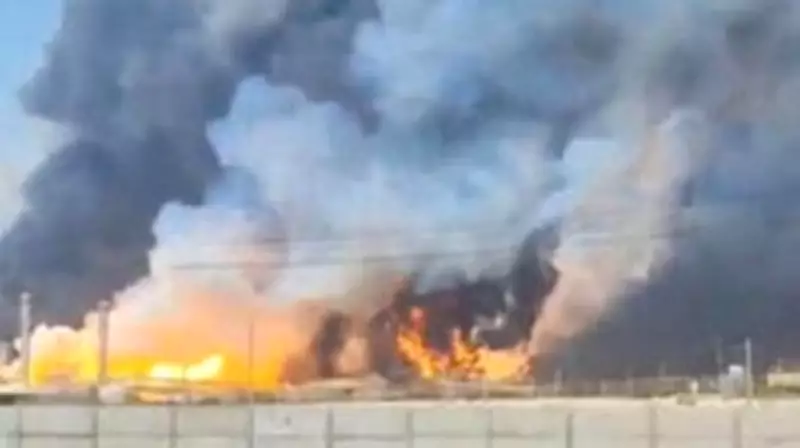
Energy Prices Surge After Iran Retaliates for Israeli Attack on South Pars Gas Field
Global energy markets have experienced a significant surge in prices following Iran's retaliatory actions in response to an Israeli attack on the South Pars gas field. This escalation in the Middle East has heightened concerns over potential supply disruptions and increased geopolitical tensions in the region.
Details of the Israeli Attack and Iranian Retaliation
The incident began with an Israeli strike on the South Pars gas field, a major natural gas resource located in the Persian Gulf. This field is one of the largest in the world and plays a crucial role in global energy supplies. In retaliation, Iran has taken measures that have directly impacted energy markets, leading to a sharp rise in prices for oil and natural gas.
The South Pars gas field is a critical asset for Iran's economy and energy exports. Any disruption to its operations can have far-reaching effects on international energy stability. The Israeli attack targeted this key infrastructure, prompting a swift and forceful response from Iran.

Impact on Global Energy Markets
The retaliation by Iran has caused immediate volatility in energy markets. Prices for crude oil and natural gas have surged as traders react to the heightened risk of supply shortages. This price increase is driven by fears that ongoing conflicts could lead to further disruptions in the Middle East, a region that accounts for a substantial portion of global energy production.
Analysts warn that if tensions continue to escalate, energy prices could climb even higher, affecting economies worldwide. The surge in prices is particularly concerning for countries that rely heavily on imported energy, as it could lead to increased costs for consumers and businesses.
Regional and International Reactions
The escalation between Iran and Israel has drawn attention from international observers and governments. There are growing calls for de-escalation to prevent a broader conflict that could destabilize the Middle East and disrupt global energy supplies further.
- Regional Stability: The conflict threatens to exacerbate existing tensions in the Middle East, potentially involving other nations and impacting regional security.
- Economic Implications: Higher energy prices could contribute to inflationary pressures globally, affecting everything from transportation costs to manufacturing.
- Diplomatic Efforts: International bodies and key players are likely to engage in diplomatic talks to mediate the situation and restore calm.
Future Outlook and Concerns
Looking ahead, the situation remains fluid, with the potential for further military actions or retaliations. Energy markets are expected to remain sensitive to developments in the region, with prices likely to fluctuate based on news of any new incidents or diplomatic progress.
It is crucial for stakeholders to monitor the situation closely, as prolonged instability could lead to sustained high energy prices and economic challenges. The international community is urged to support efforts towards peace and stability to safeguard global energy security.
In summary, the Israeli attack on the South Pars gas field and Iran's subsequent retaliation have triggered a surge in energy prices, highlighting the fragile nature of global energy markets in the face of geopolitical conflicts. This event underscores the need for robust diplomatic solutions to prevent such escalations from causing widespread economic disruption.