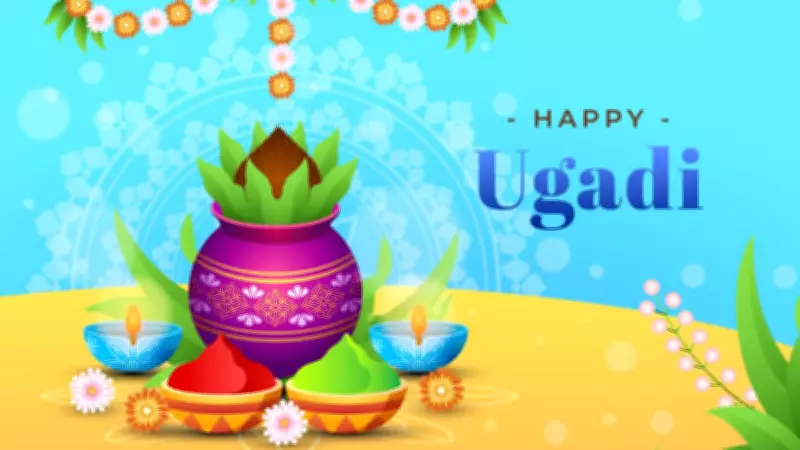
Ugadi 2026: A Joyous Celebration of New Beginnings in South India
The year 2026 brings the vibrant festival of Ugadi, celebrated with great enthusiasm across South India, particularly in the states of Andhra Pradesh, Telangana, and Karnataka. This auspicious occasion marks the beginning of the Telugu and Kannada New Year, falling on March 19, 2026, as per the traditional lunisolar calendar. Ugadi, derived from the Sanskrit words "Yuga" (age) and "Adi" (beginning), symbolizes the start of a new era, filled with hope, prosperity, and renewal.
Traditional Rituals and Customs of Ugadi
Ugadi is observed with a series of time-honored rituals that reflect the rich cultural heritage of the region. Families wake up early to take an oil bath, which is believed to purify the body and soul for the new year. Homes are thoroughly cleaned and decorated with mango leaves and rangoli designs at the entrance, inviting positivity and good fortune. A special prayer ceremony, known as "Panchanga Sravanam," is performed, where the annual astrological forecast is read aloud, providing insights into the upcoming year's prospects.
One of the highlights of Ugadi is the preparation and consumption of "Ugadi Pachadi," a unique dish that embodies the essence of life. This chutney-like preparation combines six different tastes—sweet, sour, salty, bitter, pungent, and astringent—symbolizing the various experiences one encounters throughout the year. Ingredients like jaggery, tamarind, neem flowers, and raw mango are used, reminding celebrants to accept life's ups and downs with equanimity.

Exchanging Heartfelt Ugadi Wishes
Ugadi is a time for sharing joy and goodwill through heartfelt wishes. People exchange greetings in multiple languages to embrace the festival's inclusive spirit. In English, common wishes include "Happy Ugadi 2026! May this new year bring you health, happiness, and success" or "Wishing you a prosperous and joyful Ugadi filled with new opportunities."
In Telugu, traditional wishes like "Ugadi Subhakankshalu" (Ugadi greetings) or "Nootana Samvatsara Subhakankshalu" (greetings for the new year) are popular, often accompanied by blessings for wealth and well-being. Similarly, in Kannada, phrases such as "Ugadi Habbada Shubhashayagalu" (greetings for Ugadi festival) or "Hosa Varsha Shubhashayagalu" (new year greetings) convey warm sentiments. These wishes are shared through in-person meetings, phone calls, and digital platforms, with images and messages spreading festive cheer.
Festive Foods and Celebrations
The culinary delights of Ugadi add to the festive atmosphere. Alongside Ugadi Pachadi, families prepare a variety of traditional dishes. In Telugu households, items like "Pulihora" (tamarind rice), "Bobbatlu" (sweet flatbread), and "Vada" are served, while Kannada celebrations feature "Holige" (similar to Bobbatlu), "Obbattu," and "Kosambari" (a lentil salad). These foods are not only delicious but also hold cultural significance, often made with seasonal ingredients to mark the harvest period.
Community gatherings and cultural events are integral to Ugadi celebrations. Temples organize special prayers and rituals, and cultural programs featuring music, dance, and drama are held to showcase regional arts. In urban areas, public events and fairs bring people together, fostering a sense of unity and shared heritage. The festival also emphasizes charity, with many donating food and clothes to the less fortunate, embodying the spirit of compassion and renewal.
Ugadi in the Modern Context
In recent years, Ugadi has adapted to contemporary lifestyles while retaining its traditional core. Digital platforms play a significant role, with people sending e-cards, social media posts, and video messages to loved ones. Online marketplaces offer Ugadi-themed products, from decorative items to ready-to-eat festive foods, making celebrations more accessible. Despite these modern touches, the essence of Ugadi—reflecting on the past and embracing the future—remains unchanged, making it a cherished occasion for millions.
As Ugadi 2026 approaches, it serves as a reminder of the cyclical nature of time and the importance of new beginnings. Whether through ancient rituals or modern greetings, the festival continues to unite communities in joy and hope, marking a fresh start with optimism and cultural pride.