






Politics
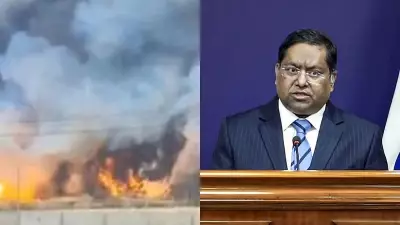
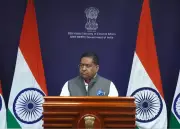
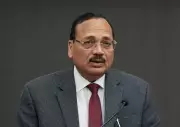
MEA on West Asia Conflict: Energy Prices Surge After Iran Retaliates to Israeli Attack
The Ministry of External Affairs addresses the West Asia conflict, noting a surge in energy prices after Iran's retaliation to an Israeli attack, calling it a testing time for all nations.



World
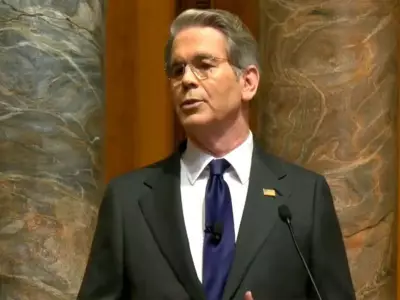
US Weighs Lifting Iran Oil Sanctions to Curb Global Crude Price Surge
The US Treasury Secretary reveals plans to un-sanction Iranian oil, releasing 140 million barrels to stabilize energy markets and combat price spikes as part of a broader strategic effort.



Entertainment

Tamannaah Bhatia Calls Working with Sidharth Malhotra in 'Vvan' a 'Long Dream' Fulfilled
Tamannaah Bhatia expresses excitement about her first collaboration with Sidharth Malhotra in the folk-mythological thriller 'Vvan,' describing it as a powerful blend of commercial appeal and emotional depth rooted in Indian folklore.



Business
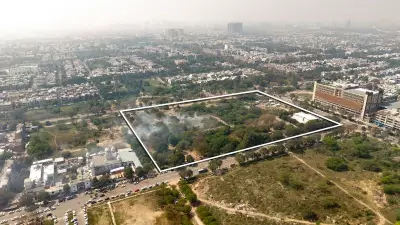
Homeland Group and VRC Secure Prime Mohali Land in Record GMADA Auction
Homeland Group and VRC acquired two prime land parcels in Mohali through a GMADA e-auction, including a 5.5-acre site near YPS School and a 13-acre mixed-use plot in Sector 62, with bids reaching Rs 70 crore per acre.



Sports



Lifestyle





Technology

Instagram Reels Gets Tap-to-Pause, Replaces Press-and-Hold
Instagram has rolled out a new tap-to-pause feature for Reels, replacing the previous press-and-hold gesture. This update aims to enhance user experience by making video control more intuitive and accessible.

Amazon India GarmiKiTaiyari Sale: 65% Off Summer Appliances
Amazon India's GarmiKiTaiyari sale provides discounts up to 65% on ACs, refrigerators from brands like Samsung, LG, Haier, with AI tools, credit card offers, and next-day delivery.

Samsung Halts Galaxy Z Trifold Sales After 3 Months
Samsung has unexpectedly stopped sales of its innovative Galaxy Z Trifold smartphone just three months after launch, citing undisclosed technical issues as the primary reason.
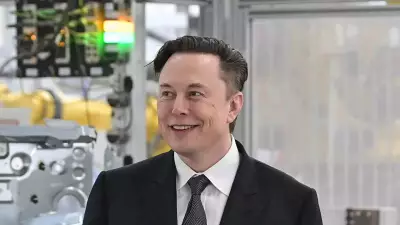
Musk's AI Race Prediction: Google, China, SpaceX as Winners
Elon Musk has made a bold three-part prediction about the future of artificial intelligence, naming Google, China, and SpaceX as the dominant forces in different spheres of the AI race.
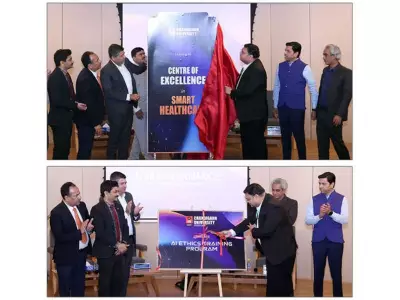
Chandigarh University UP Launches AI Smart Healthcare Centre
Chandigarh University Uttar Pradesh has launched a Centre of Excellence in Smart Healthcare to bolster AI-driven healthcare solutions. The initiative includes an AI ethics training program and aims to train 150,000 youth over five years.
