

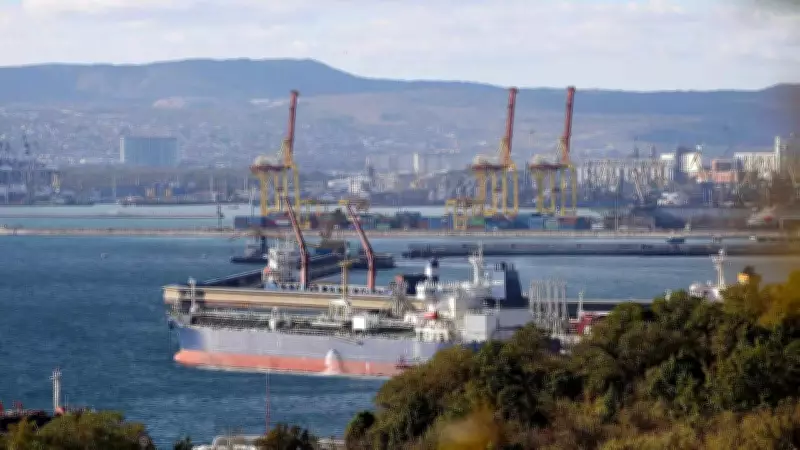
Russia Offers Emergency Oil Supply to India as Middle East Conflict Escalates
Russia is prepared to redirect significant crude shipments to India to offset supply disruptions caused by the escalating conflict in the Middle East, according to a Reuters report citing multiple sources. This emergency supply push comes as the near-closure of the Strait of Hormuz threatens to choke India's energy security.
Critical Supply Route Under Threat
The Strait of Hormuz, through which approximately 40% of India's crude imports transit, faces severe disruption following Iranian strikes on vessels in retaliation for recent US and Israeli attacks on targets inside Iran. This strategic chokepoint's potential closure has triggered urgent action from Indian authorities.
Nearly 9.5 million barrels of Russian oil are now positioned near Indian waters and could arrive within weeks, offering immediate relief to refiners. A government official confirmed that New Delhi is urgently scouting for alternative oil supplies to cover at least the next 10–15 days, anticipating further turbulence in the region.

India's Vulnerable Energy Position
As the world's third-largest crude consumer, India maintains only modest reserves. National stocks cover roughly 25 days of demand, with similar shortfalls in refined fuel inventories. This limited buffer makes the country particularly vulnerable to supply disruptions from the volatile Middle East region.
An industry insider with direct knowledge of the matter told Reuters that Russia has indicated readiness to meet up to 40% of India's crude requirement if Middle Eastern flows remain constrained. The source declined to specify the original destination of the diverted tanker fleet but confirmed the cargoes can be discharged at Indian ports within weeks.
Complex Geopolitical Considerations
India's state and private refiners together process around 5.6 million barrels of crude per day and maintain regular contact with traders marketing Russian barrels. However, any fresh increase in Russian intake would depend on government direction, given that trade discussions with Washington remain sensitive.
Russian crude's share of India's imports had dropped to about 1.1 million barrels per day in January, the lowest since November 2022, as New Delhi sought to ease friction with the United States over sanctions exposure. By February, volumes had rebounded to around 30% of total imports, according to market data.
Political Denials and Strategic Positioning
US President Donald Trump last month announced a suspension of punitive tariffs on Indian imports after claiming that New Delhi had agreed to "stop buying Russian oil"—a position India has firmly denied. Officials insist the country's energy strategy remains driven by diversification and prevailing market conditions rather than geopolitics.
Indian sources revealed that, even days before tensions escalated into direct hostilities with Iran, no advisory had been issued instructing companies to avoid Russian crude. This suggests India maintains flexibility in its energy procurement despite political pressures.
India's foreign ministry, oil ministry, and the Russian embassy in New Delhi did not immediately respond to requests for comment regarding the emergency supply arrangements. The situation remains fluid as Middle East hostilities continue to threaten global energy markets.






