Osho's Uncomfortable Truths About Love and Human Connection
When physical ailments strike, we turn to doctors. When emotional wounds fester, we seek guidance from spiritual gurus. Throughout history, sages and mystics have healed broken hearts and transformed shattered lives in ways that even the most sophisticated medical technology cannot replicate. Their power lies not in instruments, but in the profound healing of words, shared experiences, and wisdom forged through life's storms. This enduring legacy is why their presence continues to resonate long after they have departed.
The Global Influence of Osho
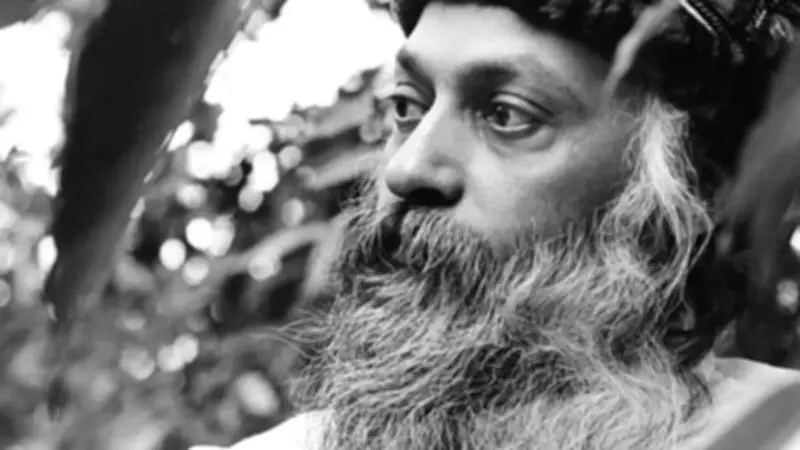
One such transformative figure was Osho, the Indian mystic and spiritual teacher who captivated a global audience during the 1970s and 1980s, with his influence persisting strongly to this day. Love stands as one of the most all-encompassing emotions humans experience. While falling in love can feel as natural and effortless as breathing, falling out of it often feels akin to a form of death. Osho articulated several uncomfortable yet enduring truths about these powerful emotions and feelings that remain strikingly relevant.
How Relationships Can Destroy Love
According to Osho, love is fundamentally a dynamic, moment-to-moment connection that naturally ebbs and flows. Imposing the rigid label and structure of a 'relationship' upon this fluid bond creates a false sense of security and ultimately stifles it. Many individuals, driven primarily by loneliness, enter into romantic partnerships where love, constrained by expectations and definitions, gradually withers and dies. The institutional framework, rather than nurturing the feeling, often becomes its cage.

The Myth of Being Unworthy of Love
Osho challenged the pervasive societal narrative that tells people they are unworthy. This ingrained belief renders individuals incapable of desiring adventure or embracing new experiences, especially in love. Once a person internalizes this idea of unworthiness, they construct mental boundaries, closing themselves off due to fear of anticipated consequences. However, Osho taught that discarding these self-imposed limitations makes the concept of unworthiness vanish. "That you are is enough to prove that existence needs you, loves you, nourishes you, respects you," he asserted, affirming one's inherent worth.
Love as Its Own Nourishment
Osho famously stated that 'Love is nourishment in itself.' The act of loving expands the space for more love to flourish within and around an individual. This existential form of love knows no boundaries, does not change shape based on the recipient, and creates no divisions. It is limitless. Interestingly, Osho also highlighted that only love and its failure have the power to truly throw one inward. He viewed the failure of love not as a tragedy, but as a normal, even essential, experience that compels deep self-exploration. "If you are still hoping that love can succeed, then you are yet under age," he remarked, suggesting that to understand existence, one must plunge inward, guided by both love and its dissolution.
The Power of Real Love: Being Capable of Aloneness
For Osho, real love does not manifest as clinging dependency or limitation. Instead, it expands. If you genuinely love someone, you inherently trust them and honor their freedom. True love cultivates the capability to be alone, creating such a vast, deep ocean around you that you become a serene, self-contained island within it. This state makes you more powerful, centered, rooted, and balanced than any external form of stability could. "If they are dependent on each other, it is not a togetherness – it is a slavery, it is a bondage," Osho cautioned, distinguishing between healthy connection and unhealthy attachment.