Kejriwal Sounds Alarm for Tamil Nadu Ahead of 2026 Polls
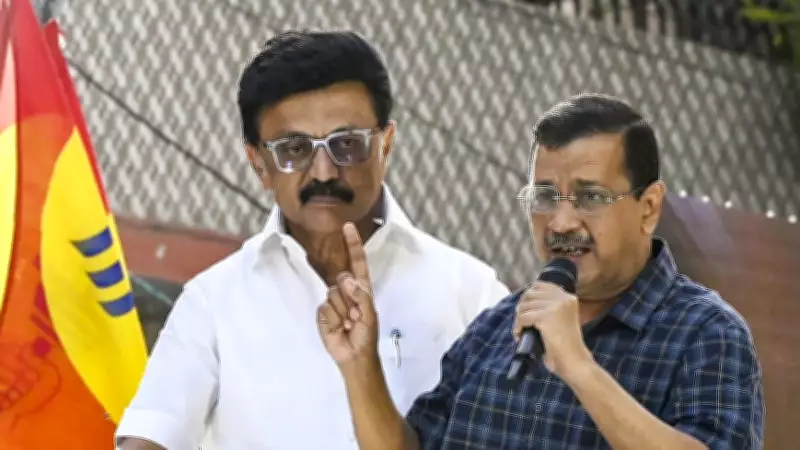
In a sharp political intervention, Delhi Chief Minister Arvind Kejriwal has issued a stark warning to the electorate of Tamil Nadu regarding the upcoming 2026 Assembly elections. Drawing from his own experiences in the national capital, Kejriwal asserted that if the National Democratic Alliance (NDA) is voted to power in the state, it would systematically dismantle the positive initiatives and developmental work undertaken by the current DMK government led by Chief Minister M.K. Stalin.
Drawing Parallels with Delhi Governance
Kejriwal, who also serves as the national convener of the Aam Aadmi Party (AAP), explicitly accused the Bharatiya Janata Party (BJP), the principal constituent of the NDA, of a pattern of reversing the welfare policies and administrative reforms implemented by his government in Delhi. He emphasized that this modus operandi could be replicated in Tamil Nadu, potentially jeopardizing the state's socio-economic progress and public service enhancements achieved under Stalin's leadership.
The former chief minister highlighted several key areas where he believes the DMK administration has made significant strides, including education, healthcare, and public infrastructure. He urged voters to critically evaluate the potential consequences of a regime change, suggesting that the NDA's governance approach might not align with the pro-people and development-oriented agenda currently in place.

Political Context and Electoral Implications
This statement comes at a crucial juncture as political parties begin to strategize for the Tamil Nadu Assembly elections scheduled for 2026. The DMK, currently in power, faces a formidable challenge from the opposition NDA, which is keen to expand its footprint in the southern state. Kejriwal's remarks are seen as an attempt to bolster the DMK's position by framing the election as a choice between continuity of its 'good work' and a possible regression under the NDA.
Kejriwal's allegations are rooted in his contentious relationship with the BJP-led central government, which has often been at odds with the AAP administration in Delhi over issues of governance and federal autonomy. By invoking this narrative, he aims to resonate with voters who may be concerned about preserving the state's autonomy and progressive policies.
Key Points from Kejriwal's Warning
- The NDA, if elected, could undo the developmental projects and welfare schemes initiated by the DMK government.
- Lessons from Delhi indicate a tendency by the BJP to reverse the achievements of opposing state governments.
- Voters should be cautious and prioritize the continuation of Stalin's administration to safeguard Tamil Nadu's progress.
- The 2026 elections represent a critical decision point for the state's future trajectory.
As the political discourse intensifies, Kejriwal's intervention adds a new dimension to the pre-election debate, focusing on governance records and the potential risks of political alternation. The response from the NDA and other stakeholders is eagerly awaited, setting the stage for a highly contested electoral battle in Tamil Nadu.