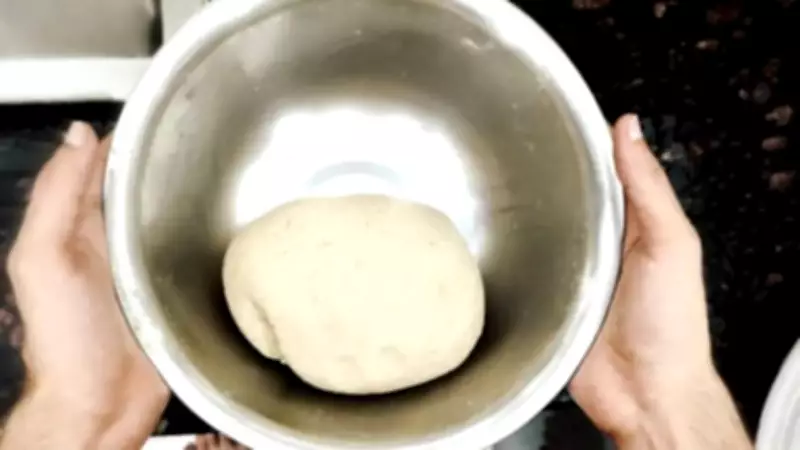
Why Atta Dough Turns Black in the Refrigerator: The Science Explained
Roti and chapati are staple foods in countless Indian households, where preparing dough in advance or in larger quantities is a common time-saving practice. This extra dough is typically stored in the refrigerator, especially during the hot summer months. However, many have noticed that over time, the dough often develops a black or grey discoloration. This raises important questions: What causes this color change? Is the dough still safe to consume? And most crucially, how can you store dough properly to prevent this issue during summer? Let's delve into the science and solutions.
The Primary Culprit: Oxidation and Enzymatic Activity
The main reason for atta dough turning black is oxidation. When wheat flour is kneaded with water, it becomes exposed to air. The oxygen in the air reacts with various compounds present in the flour, leading to a gradual darkening of the dough. This chemical process is accelerated by the natural enzymes found in wheat flour.
According to food science experts, these enzymes remain active even at the cooler temperatures inside a refrigerator. They continue to react over time, affecting both the color and texture of the dough. Additionally, dough that contains excessive water is more susceptible to quicker spoilage and discoloration. Excess moisture makes these enzymes extra active, causing them to react faster and more intensely.

Additional Factors: Fermentation and Hygiene
During the summer months, even refrigerated dough can begin to ferment after several hours. This fermentation process not only causes a darker appearance but may also produce a mild sour smell. The situation worsens if the dough is stored in an unhygienic container, which can accelerate the darkening process and lead to unpleasant odors or a sticky, slimy texture. Proper storage is therefore essential to maintain dough quality and safety.
5 Smart Tips to Store Dough Right in Summer
1. Apply a Thin Layer of Oil
Before placing your dough in the refrigerator, always apply a thin, even layer of oil over its surface. The oil creates a protective barrier that reduces direct contact with air, thereby slowing down the oxidation process that causes discoloration.
2. Use an Airtight Container
Storing dough in an airtight container is highly recommended. This method minimizes exposure to both air and moisture, helping to keep the dough intact, soft, and fresh for a longer period.
3. Refrigerate Immediately
In summer, dough ferments much faster due to excessive heat and humidity. If you don't plan to use the dough immediately, it's best to refrigerate it right after kneading and only take out the portions you need.
4. Store in Small Portions
This is a clever strategy to avoid spoilage. Divide the dough into smaller, manageable portions before storing. This practice reduces repeated exposure to air and temperature fluctuations each time you take out dough, thereby preserving its quality.
5. Use Within 24 Hours
While kneading extra dough saves time and energy, it should never come at the cost of health. Ensure that you use refrigerated dough within 12 to 24 hours. If it's been stored longer, dispose of it safely to avoid any potential health risks.
By understanding the science behind dough discoloration and implementing these practical storage tips, you can enjoy fresh, safe, and high-quality atta dough throughout the summer season.