Supreme Court Takes Action in Chakkarpur Land Parcel Dispute
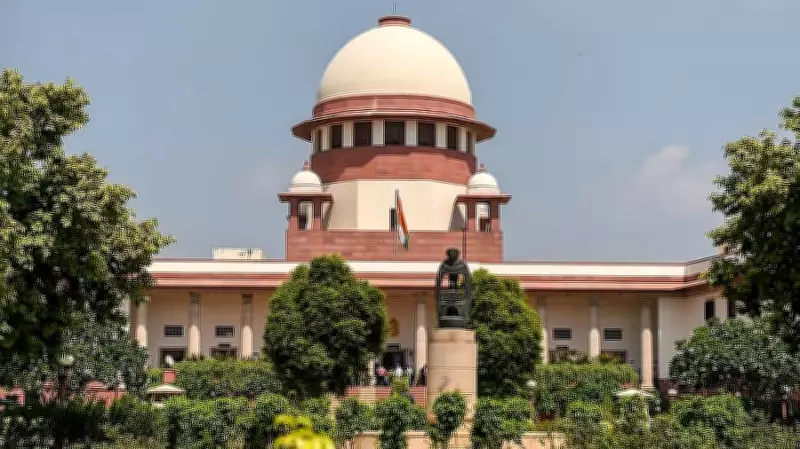
The Supreme Court of India has formally issued notices to officials of the Haryana government in connection with the ongoing Chakkarpur land parcel case. This legal development marks a significant step in a dispute that has drawn considerable attention due to its implications for land governance and administrative accountability in the state.
Bench Proceedings and Key Directives
A bench comprising Justices J B Pardiwala and Vijay Bishnoi presided over the hearing of the plea. In a notable move, the bench condoned the delay in filing the petition, acknowledging procedural lapses without prejudicing the substantive issues at hand. The court has directed the respondents, which include the implicated Haryana government officials, to submit their detailed replies by May 17, 2026. This deadline sets a clear timeline for the next phase of legal proceedings, ensuring the case progresses without undue postponement.
Temporary Relief for Alleged Contemnors
In an additional ruling, the Supreme Court has dispensed with the personal appearance of the alleged contemnors for the time being. This decision provides temporary relief to the officials involved, allowing them to focus on preparing their responses without the immediate pressure of court appearances. However, the court emphasized that this is a provisional measure and may be revisited based on future developments in the case.

Background and Implications
The Chakkarpur land parcel case revolves around allegations concerning the handling and allocation of land in the Chakkarpur area of Haryana. The issuance of notices by the Supreme Court underscores the judiciary's role in scrutinizing governmental actions and ensuring compliance with legal standards. This case is being closely monitored as it could have broader ramifications for land management policies and anti-corruption efforts in the region.
Legal experts suggest that the court's directives reflect a balanced approach, addressing procedural delays while maintaining rigorous oversight. The next hearing, expected after the May 17 deadline, will likely delve deeper into the merits of the allegations and the responses from the Haryana officials.