

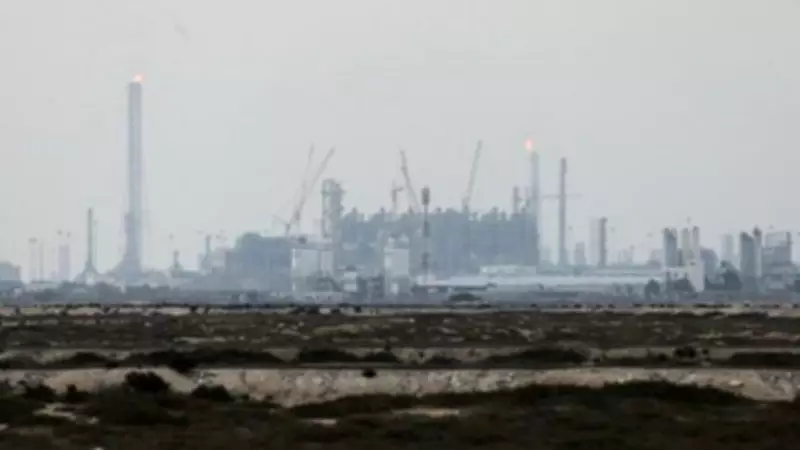
Qatar LNG Production Shutdown Disrupts Supplies to India
In a significant development impacting global energy markets, QatarEnergy, the state-owned energy company of Qatar, has announced a temporary shutdown of its liquefied natural gas (LNG) production facilities. This move is part of scheduled maintenance activities but has immediate and severe repercussions for India, a major importer of Qatari LNG. The disruption in supplies is poised to trigger a supply crisis in India's city gas distribution (CGD) sector, which depends heavily on imported LNG to meet domestic demand.
Maintenance Activities Lead to Supply Disruption
The shutdown involves key LNG production units in Qatar, one of the world's largest exporters of natural gas. While such maintenance is routine and essential for operational safety and efficiency, its timing coincides with peak demand periods in India, exacerbating the impact. India imports approximately 8.5 million metric tons of LNG annually from Qatar, accounting for a substantial portion of its total LNG imports. This reliance makes the country vulnerable to supply chain disruptions from key suppliers like Qatar.
Impact on India's City Gas Distribution Sector
The city gas distribution sector in India, which supplies compressed natural gas (CNG) for vehicles and piped natural gas (PNG) for households and industries, is particularly hard-hit. This sector has been expanding rapidly under government initiatives to promote cleaner fuels, but it remains heavily dependent on imported LNG due to insufficient domestic production. The sudden halt in Qatari supplies has led to a sharp reduction in available LNG, forcing CGD companies to scramble for alternative sources, often at higher costs.

- Supply shortages for CNG and PNG across major Indian cities.
- Increased operational costs for CGD companies as they seek spot market purchases.
- Potential price hikes for end-consumers, affecting households and businesses.
- Disruptions to industrial operations that rely on natural gas as a feedstock or fuel.
Broader Implications for India's Energy Security
This incident underscores the fragility of India's energy security, given its high dependence on imported LNG. While the government has been pushing for diversification of energy sources and increased domestic production through schemes like the Hydrocarbon Exploration and Licensing Policy (HELP), progress has been slow. The current crisis highlights the urgent need for accelerated efforts in this direction to mitigate future supply risks.
Industry experts warn that prolonged disruptions could lead to broader economic impacts, including inflation and reduced industrial output.Response and Mitigation Measures
In response to the crisis, Indian authorities and CGD companies are exploring several mitigation strategies. These include increasing imports from other suppliers such as the United States, Australia, and Russia, albeit at potentially higher prices due to global market dynamics. Additionally, there is a push to optimize existing domestic gas production and enhance storage capacities to buffer against such shocks.
- Engaging in diplomatic talks with Qatar to expedite the resumption of supplies.
- Leveraging long-term contracts with other LNG exporters to secure stable volumes.
- Investing in infrastructure to boost LNG import and regasification capabilities.
The situation remains fluid, with stakeholders closely monitoring QatarEnergy's maintenance schedule for updates on when full production might resume. In the meantime, the Indian city gas sector braces for a challenging period, emphasizing the critical importance of resilient energy supply chains in sustaining economic growth and environmental goals.






