

Alopecia Areata: Unraveling the Shaving Myth for Hair Regrowth
Alopecia areata stands as one of the most misunderstood hair loss conditions, characterized by its sudden onset and highly unpredictable nature. Amidst a sea of myths and purported quick fixes, a particularly viral belief suggests that shaving the head can somehow reset hair growth. While this idea might sound convincing to some, it lacks medical backing. Let's delve into whether this popular notion is a myth or a fact, expanding on the science behind alopecia areata and effective treatments.
Understanding Alopecia Areata: An Autoimmune Disorder
Alopecia areata is fundamentally an autoimmune disorder where the body's immune system mistakenly attacks its own hair follicles, leading to patchy hair loss. In this condition, the hair follicles remain alive but are under constant immune attack. The progression is notoriously erratic; some individuals experience visible hair regrowth followed by sudden fallout, while others see a significantly slowed hair growth cycle. Crucially, the root cause lies internally within the immune system, not in external factors like hair care practices.
Is Shaving the Head a Cure? Debunking the Myth
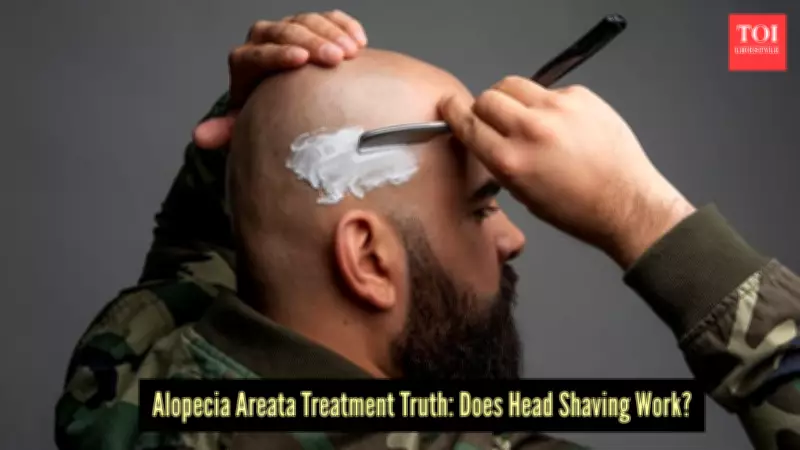
Shaving your head does not cure alopecia areata. People might observe regrowth after shaving and mistakenly attribute it to the act, but it's essential to understand that shaving only removes hair above the scalp. It has no impact on the hair follicles or the underlying immune response. There is no scientific evidence to support that shaving triggers regrowth. Effective treatment focuses on suppressing the immune attack, not on cutting hair, making this myth a persistent but unfounded claim.

Can Hair Regrowth Occur Naturally?
The spread of this myth is partly due to the natural regrowth that often happens with alopecia areata. Many patients witness hair returning within a year, and some achieve full regrowth without any medical intervention. However, others may experience relapses with new patches developing. If someone shaves their head and later sees regrowth, it is more likely a coincidence rather than a causal relationship. The unpredictable nature of the disorder means that regrowth can occur independently of shaving.
What Actually Helps: Proven Treatments and Strategies
To manage alopecia areata effectively, start by consulting a dermatologist. Treatments aim to reduce the immune attack and may include:
- Topical treatments such as corticosteroids applied directly to the scalp.
- Immunotherapy to modulate the immune response.
- Platelet-rich plasma (PRP) therapy in some cases to stimulate follicle activity.
Additionally, adopting a holistic approach can support overall scalp health:
- Gentle scalp care to avoid irritation.
- A nutrient-rich diet with vitamins and minerals essential for hair health.
- Stress management activities like yoga or meditation, as stress can act as a trigger.
It's important to note that natural remedies like applying onion juice or oils do not address the autoimmune trigger and are not substitutes for medical treatment. Focus on evidence-based methods to combat this condition effectively.






