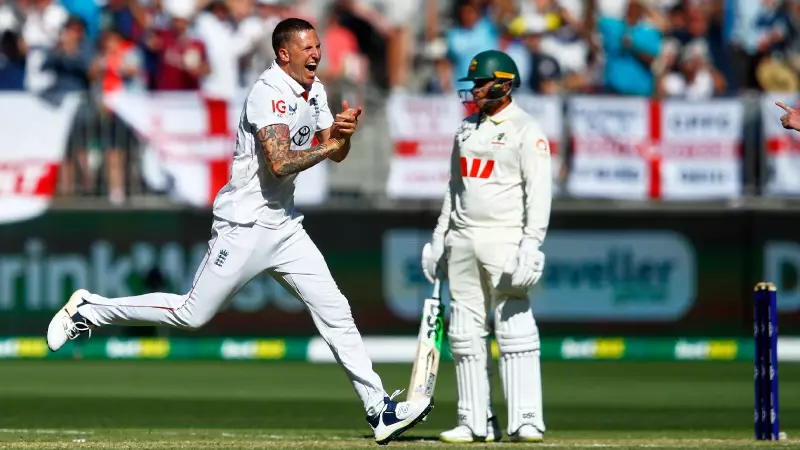
In a dramatic turn of events on Day 1 of the first Ashes 2025-26 Test, Australian opener Usman Khawaja was prevented from taking his usual position at the crease due to a little-known ICC regulation. The veteran batsman's absence from the field during England's innings cost him the opportunity to open alongside debutant Jake Weatherald.
The Unexpected Batting Order Change
When Australia came out to bat at Perth Stadium on Friday, November 21, 2025, cricket fans witnessed an unexpected sight. Instead of the experienced Usman Khawaja walking out with debutant Jake Weatherald, it was Marnus Labuschagne who partnered the newcomer. The Australian innings never gained momentum, eventually collapsing to a disappointing 172 all out against a disciplined English bowling attack.
The 38-year-old Khawaja eventually came to the crease at number four but managed only 2 runs before falling to Brydon Carse in the 18th over. His early dismissal compounded Australia's troubles on a day dominated by England.

The Real Reason Behind Khawaja's Absence
Initially, Cricket Australia attributed Khawaja's time off the field to routine "toilet breaks and stretching." However, the truth emerged later that the left-handed batsman had suffered back stiffness and a back spasm that significantly delayed his return to fielding duties during England's first innings.
This extended absence proved costly under the International Cricket Council's strict regulations. The ICC Rule 24.2.3 states that any player spending more than eight minutes off the field cannot bat until their team's innings has progressed for an equal amount of penalty time.
Understanding the ICC Penalty Time Rule
The specific regulation that prevented Khawaja from opening has clear parameters that many cricket fans might not be aware of. According to ICC Rule 24.2.3.2, when a player is absent from the field for longer than eight minutes, they face batting restrictions in the subsequent innings.
The rule mandates that the player "shall not be permitted to bat in the match until his team's batting innings has been in progress for the length of playing time that is equal to the unexpired Penalty time carried forward from the previous innings." The only exception occurs once the batting team has lost five wickets, at which point the penalized player may bat immediately.
Any remaining penalty time carries forward to subsequent innings throughout the match, making it a potentially recurring issue for affected players.
Match Implications and Looking Ahead
Khawaja's enforced absence from the top of the order disrupted Australia's batting plans significantly. The team struggled to build partnerships and posted a below-par total of 172, handing England a substantial advantage in the opening match of the prestigious Ashes series.
This incident highlights how ICC regulations can directly influence match outcomes and team strategies. For Australian captain and team management, it serves as a crucial reminder to monitor players' time off the field more carefully, especially during high-stakes tournaments like the Ashes.
As the series moves forward, all teams will likely be more vigilant about managing players' fielding time to avoid similar situations that could compromise their batting lineup in crucial moments.