PM Modi Engages Gulf Leaders, Condemns Sovereignty Violations in West Asia
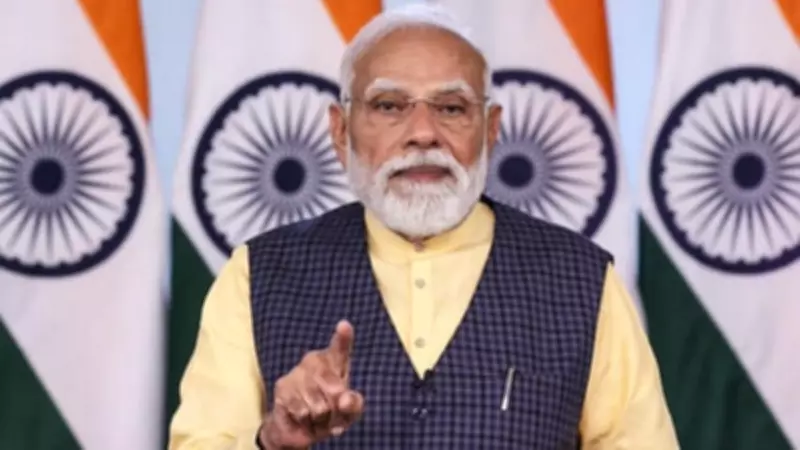
Prime Minister Narendra Modi held a series of crucial telephone conversations with key leaders from the Gulf region on March 3, 2026, addressing the escalating tensions in West Asia. In these discussions, Modi strongly condemned violations of sovereignty and territorial integrity while advocating for sustained diplomatic efforts to restore peace.
Conversation with Oman's Sultan Haitham bin Tarik
During his call with His Majesty Sultan Haitham bin Tarik of Oman, Prime Minister Modi exchanged detailed views on the recent developments unfolding across West Asia. The Indian leader explicitly condemned the violation of Oman's sovereignty and territorial integrity, emphasizing India's firm stance against such actions.
Both leaders reached a consensus that sustained diplomatic engagement is absolutely essential for achieving the earliest possible restoration of regional peace and stability. They discussed potential pathways for dialogue and cooperation to address the complex geopolitical challenges.

Discussion with Kuwait's Crown Prince Sheikh Sabah Al-Khaled
In a productive telephone conversation with Crown Prince of Kuwait, H.H. Sheikh Sabah Al-Khaled Al-Hamad Al-Mubarak Al-Sabah, Prime Minister Modi reiterated India's condemnation of the violation of Kuwait's sovereignty and territorial integrity.
Modi assured the Kuwaiti leadership that India stands firmly with the people of Kuwait during this difficult hour of crisis. The two leaders underscored the critical importance of international cooperation and diplomatic initiatives to address the security concerns affecting the region.
Dialogue with Qatar's Amir Sheikh Tamim bin Hamad
Prime Minister Modi also spoke with his brother, H.H. Sheikh Tamim bin Hamad Al Thani, the Amir of Qatar, expressing India's unwavering solidarity with Qatar. The Indian leader strongly condemned any violation of Qatar's sovereignty and territorial integrity, mirroring the positions taken in his other Gulf conversations.
During this exchange, both leaders emphasized the urgent need to restore peace and stability in the region through collaborative efforts and dialogue. They explored mechanisms for enhancing bilateral cooperation while addressing the broader regional security architecture.
India's Strategic Position on West Asia Developments
These coordinated diplomatic engagements reflect India's proactive approach to the evolving situation in West Asia. The conversations demonstrate several key aspects of India's foreign policy:
- Consistent condemnation of sovereignty violations across multiple Gulf nations
- Emphasis on diplomatic solutions rather than military escalation
- Solidarity with affected nations and their populations
- Advocacy for regional stability through sustained engagement
The timing of these conversations—all occurring on March 3, 2026—indicates a coordinated diplomatic outreach by India to address the deteriorating security situation in West Asia. Modi's engagement with three significant Gulf leaders within a single day underscores the urgency India attaches to resolving the regional tensions.
India's position as articulated by Prime Minister Modi balances several considerations: maintaining strong bilateral relationships with Gulf partners, advocating for international norms of sovereignty and territorial integrity, and promoting peaceful resolution mechanisms for regional conflicts. These conversations likely set the stage for further diplomatic initiatives and potential multilateral engagements to address the complex challenges facing West Asia.