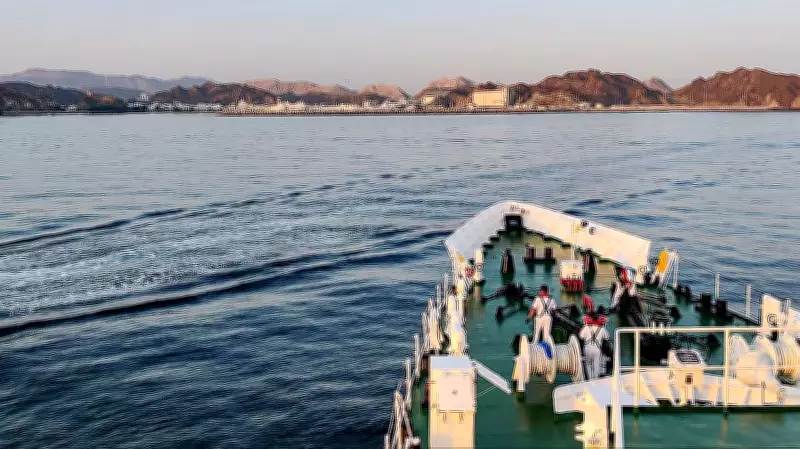
37 Indian-Flagged Vessels with 1,109 Crew Members Trapped in Persian Gulf Amid Regional Tensions
A significant maritime crisis has unfolded as thirty-seven Indian-flagged ships, carrying a total of 1,109 sailors, are currently stranded in the volatile waters of the Persian Gulf and Gulf of Oman. This alarming situation stems from the escalating conflict in West Asia, which has severely disrupted shipping routes and maritime operations in the region.
Critical Cargo and Supply Chain Disruptions
The stranded fleet includes vessels performing crucial energy transport roles. Several ships are actively carrying crude oil and liquefied natural gas (LNG) destined for Indian ports, highlighting the direct impact on India's energy imports. Simultaneously, other vessels are positioned to load petroleum products from Gulf nations, indicating a broader disruption to India's supply chain for refined fuels.
The Persian Gulf and Gulf of Oman are strategic chokepoints for global oil and gas shipments, and this blockage poses serious risks to regional trade stability. The safety and well-being of the 1,109 Indian sailors aboard these ships have become a pressing humanitarian concern, with reports suggesting they are facing uncertain conditions as the conflict intensifies.

Broader Implications for India and Global Trade
This incident underscores the vulnerability of maritime logistics to geopolitical instability. Key implications include:
- Energy Security Threats: Delays in crude oil and LNG deliveries could strain India's energy reserves and affect domestic pricing.
- Economic Impact: The halt in petroleum product shipments may lead to supply shortages and increased costs for industries and consumers.
- Diplomatic Challenges: The situation requires urgent diplomatic engagement to ensure the safe passage of vessels and protection of Indian nationals.
- Global Trade Disruption: As a major shipping lane, blockages here can ripple through international supply chains, affecting markets worldwide.
Authorities are monitoring the developments closely, with efforts underway to coordinate with international bodies and regional stakeholders. The prolonged stranding of these ships could exacerbate existing tensions and lead to further maritime incidents if not resolved promptly.