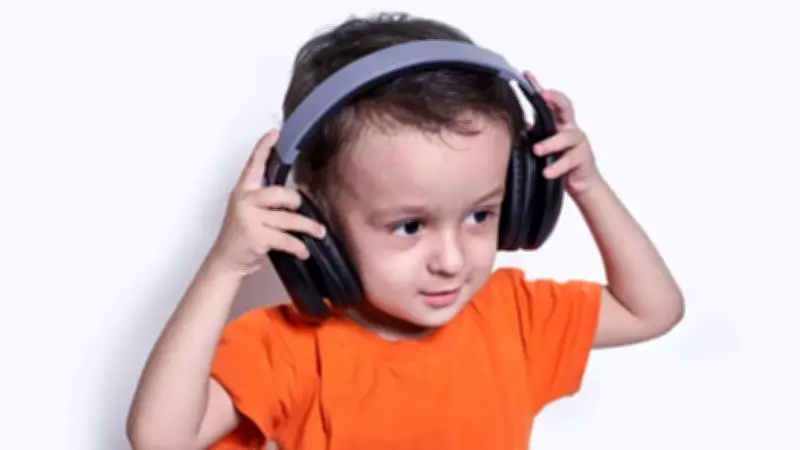
When a Child's Inattention May Signal Hearing or Auditory Processing Difficulties
Parents often worry when a child does not respond to calls or seems lost during instructions. The immediate assumption is distraction, disobedience, or excessive screen time. However, in pediatric practice, a different concern emerges: some children who appear inattentive are not ignoring sound but working hard to process it, leading to exhaustion over time.
How Listening Can Be Mistaken for Misbehaviour
Children rarely verbalize hearing issues, saying, "I can't hear properly." Instead, behavioral changes occur gradually. A child might watch lips intently during conversations, give off-topic answers, or feel uncomfortable in group settings. While families may label them as daydreamers or slow responders, these children could be experiencing auditory processing difficulty. This condition involves sound reaching the ears, but the brain struggles to organize and interpret it clearly, especially in noisy environments.
Imagine trying to follow a conversation in a crowded railway station all day long. This constant effort can drain a child's energy and focus.

Why Young Ears Are More Vulnerable to Fatigue
Inside each ear, the cochlea contains delicate cochlear hair cells that translate sound vibrations into signals the brain understands as speech or music. These cells do not regenerate if damaged. Children's auditory systems are still developing, making them more sensitive to sustained sound exposure. Loud environments can cause temporary threshold shifts—a muffled sensation after noisy events. With frequent exposure, this can become permanent, leading to noise-induced hearing loss (NIHL).
Unlike sudden injuries, this process is gradual, with hearing clarity diminishing slowly without dramatic moments of loss.
The Impact of Constant Noise in Modern Childhood
Today's children rarely experience true stillness. Online classes, gaming, streaming videos, and music through headphones expose young ears to sound for hours. Add urban noise like traffic, construction, and loud celebrations, and recovery time is minimal. Many devices exceed safe decibel levels without families realizing it, causing cumulative damage. Clinicians now observe concerns once common in adults appearing in school-going children.
Subtle Signs Parents Should Not Overlook
Early clues are easy to dismiss but crucial to recognize:
- Frequently increasing headphone or TV volume
- Saying "huh?" or asking for repeated instructions multiple times daily
- Difficulty following instructions with background noise
- Speech clarity issues or delays in language development
- Withdrawal from conversations or unusual quietness in groups
These behaviors may not seem urgent, but they warrant attention to prevent long-term effects.
Protecting Hearing Without Sacrificing Joy
Healthy listening habits do not require removing technology or fun from childhood. Simple adjustments can make a significant difference:
- Keep headphone volume below 60% and use noise-cancelling options if possible, encouraging regular listening breaks.
- Allow quiet time after loud events to let ears recover.
- Use ear muffs during fireworks or noisy celebrations.
- Prefer outdoor or well-ventilated play spaces during festivals.
- Utilize parental volume controls on devices when available.
- Consider periodic hearing checks, such as audiometry or otoacoustic emission (OAE) screening, especially if behavioral changes appear. Early screening is simple, painless, and often reassuring.
Beyond Hearing: Confidence and Connection
Hearing plays a vital role in how children learn language, build friendships, and develop confidence. When sounds become unclear, misunderstandings increase, and a child corrected repeatedly for not listening may withdraw from participation. What appears as inattention can quietly impact self-esteem.
The encouraging news is that early recognition can dramatically improve outcomes. With timely support, children often regain comfort in communication and reconnect with learning environments that once felt overwhelming.

Listening More Closely to Childhood Sounds
Childhood is filled with voices calling names on playgrounds, whispered jokes, teacher instructions, bedtime stories, and party music. When a child stops responding, the instinct is to repeat louder. Perhaps, instead, parents should pause and ask a gentler question: Is the child truly not listening, or is the world not reaching them as it used to? The answers may restore not just hearing but also confidence, connection, and the reassurance of feeling included in every conversation.
Dr Shruti Bansal, Consultant - Paediatric ENT, Narayana Health SRCC Children’s Hospital, Mumbai