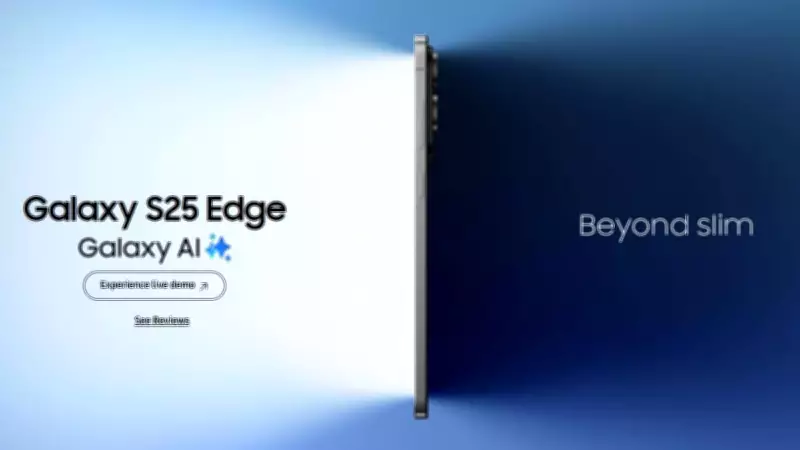
Samsung Scraps Galaxy S26 Edge Amid Market Shifts
In a surprising move that has sent ripples through the tech industry, Samsung has reportedly cancelled the development of its highly anticipated Galaxy S26 Edge model, originally slated for release in 2026. This decision comes as a direct response to underwhelming consumer interest in cutting-edge form factors, specifically ultra-thin and trifold smartphone designs. The cancellation marks a significant pivot in Samsung's flagship strategy, reflecting broader market trends and consumer preferences that are increasingly favoring practicality over experimental aesthetics.
Low Demand Drives Strategic Cancellation
According to industry insiders and leaked reports, Samsung conducted extensive market research and sales analyses that revealed a stark reality: demand for ultra-thin and trifold smartphone models has fallen short of expectations. The Galaxy S26 Edge was poised to incorporate these innovative designs, but poor reception for similar devices in recent years prompted the company to reassess its plans. This low demand is attributed to several factors, including high costs, durability concerns, and a lack of compelling use cases that justify the premium pricing associated with such advanced form factors.
Key reasons behind the cancellation include:

- Consumer reluctance to adopt ultra-thin phones due to perceived fragility and battery life compromises.
- Limited appeal of trifold designs, which have struggled to demonstrate clear advantages over traditional foldable or slab-style phones.
- Economic pressures that make consumers more price-sensitive, favoring value over novelty in smartphone purchases.
Implications for Samsung's Future Lineup
The cancellation of the Galaxy S26 Edge is not merely a product-level change but signals a broader strategic shift for Samsung. The company is now expected to focus its resources on enhancing core features in its mainstream Galaxy S series, such as camera technology, processor performance, and software integration, rather than pushing the boundaries of physical design. This move aligns with a growing industry trend where manufacturers are prioritizing incremental improvements and user experience over radical form factor innovations.
Potential impacts on Samsung's product roadmap:
- Increased investment in foldable phone technology, where demand remains relatively stable, with a focus on making devices more affordable and durable.
- A renewed emphasis on the standard Galaxy S26 model, which may see enhanced specifications to compensate for the absence of the Edge variant.
- Possible delays or cancellations of other experimental projects, as Samsung reallocates R&D budgets to more promising areas like AI integration and sustainability initiatives.
Market Reaction and Competitive Landscape
The tech market has reacted with mixed emotions to Samsung's decision. While some analysts applaud the move as a prudent response to real-world demand, others express concern that it might stifle innovation in the smartphone sector. Competitors like Apple and Xiaomi are closely monitoring this development, as it could influence their own strategies for upcoming flagship releases. If Samsung's cancellation reflects a wider consumer trend, other brands may also scale back on ultra-thin and trifold projects, leading to a more conservative approach across the industry.
In conclusion, the cancellation of the Samsung Galaxy S26 Edge underscores a critical moment in smartphone evolution, where market forces are compelling manufacturers to balance innovation with practicality. As Samsung recalibrates its approach, consumers can expect a greater focus on reliability and value in future devices, potentially reshaping the competitive dynamics of the global smartphone market for years to come.