Israeli fighter jets conducted a significant series of aerial assaults in southern Lebanon on Sunday, following explicit evacuation warnings. The Israeli military stated the operations were aimed at Hezbollah's infrastructure, as confirmed by Lebanese state media reports.
Series of Raids Cause Significant Damage
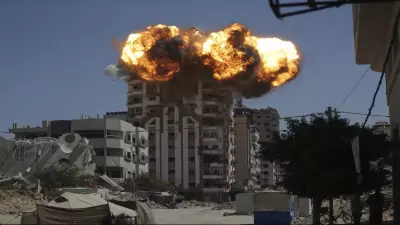
According to Lebanon's official National News Agency (NNA), enemy warplanes executed more than 10 raids on the town of Kafr Hatta. This location lies north of the Litani River. The agency reported the attacks resulted in substantial damage to buildings in the area. Shortly after the initial warnings were issued, the Israeli military publicly confirmed it was striking Hezbollah infrastructure in several locations across southern Lebanon.
Disarmament Efforts and Israeli Dismissal
These latest strikes occurred just days after the Lebanese army announced it had finished the first phase of a nationwide plan to disarm Hezbollah specifically south of the Litani River. This zone is approximately 30 kilometres from the Israeli border. However, Israel has dismissed these efforts, stating they do not meet the requirements set out by the existing ceasefire agreement.

Earlier on Sunday, the Israeli army said it had hit Hezbollah sites in other parts of southern Lebanon. It described these actions as a response to Hezbollah's continuous violations of the ceasefire understandings. The NNA also reported violent Israeli strikes on the areas of Jezzine, Mahmudiyeh, and Al-Dimasqiyeh, alongside more than 10 strikes on Al-Bureij. Most of these targeted areas are situated north of the Litani River.
A Fragile Truce and Ongoing Tensions
Israel has continued regular military operations in Lebanon despite a ceasefire agreed in November 2024 that was designed to end over a year of hostilities with the Iran-backed Hezbollah. Under considerable international pressure and amid fears of a broader Israeli offensive, Lebanon committed to disarming Hezbollah, a group that was significantly weakened during the recent conflict.
On Thursday, Lebanon's army declared it had achieved the objectives of the first phase of the disarmament plan in the regions south of the Litani and expressed its intention to extend the effort nationwide. In response, the office of Israeli Prime Minister Benjamin Netanyahu stated the ceasefire agreement clearly mandates that Hezbollah must be fully disarmed. While calling Lebanon's steps an encouraging beginning, the Israeli government said they were far from sufficient, accusing Hezbollah of attempting to rearm and rebuild its capabilities.
Despite the nominal truce, Israel has maintained troop presence in five strategic areas of southern Lebanon, underscoring the persistent volatility and unresolved issues along the border.