In a significant move for global trade, the European Union has finalised its landmark economic pact with the South American Mercosur bloc, with the official signing ceremony scheduled for next week. This concludes negotiations that spanned more than a quarter of a century.
Key Details of the Upcoming Signing
The President of the European Commission, Ursula von der Leyen, will put pen to paper on the historic agreement. The event is confirmed for January 17 in Paraguay, as announced by officials in Brussels this past Sunday. This follows the EU's formal approval, granted on Friday, which finally set the process in motion after prolonged delays.
Paraguay was chosen as the venue because it currently holds the rotating presidency of the Mercosur alliance. The South American bloc's members include Argentina, Brazil, Paraguay, and Uruguay. Argentina's Foreign Minister, Pablo Quirno, had previously indicated that the signing would take place on the coming Saturday.

Overcoming Hurdles and Economic Goals
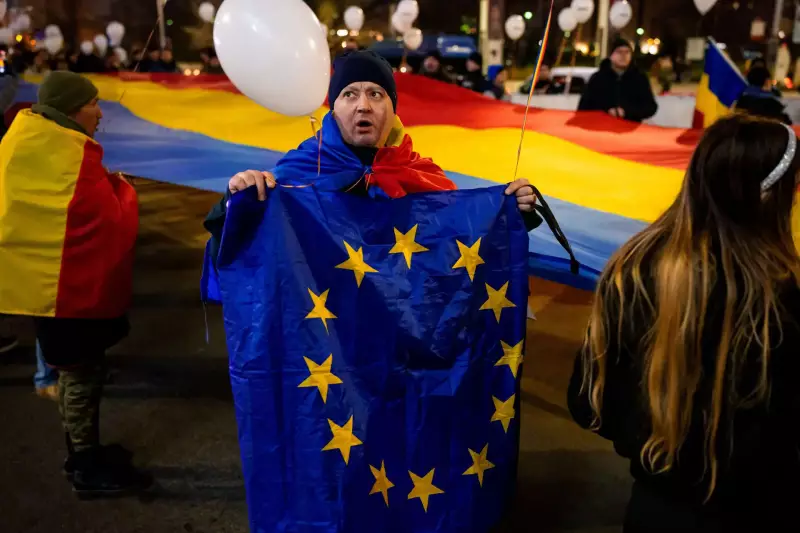
The EU's decision to proceed came despite notable internal opposition, most prominently led by France. Proponents of the deal, however, view it as an essential strategic instrument. They argue it will boost crucial exports, provide a much-needed lift to Europe's struggling economy, and strengthen diplomatic bonds during a period of widespread international instability.
Controversy and Agricultural Concerns
Not everyone is celebrating the pact. The agreement has sparked considerable anxiety among European farmers. Their primary fear is that the market will be flooded with cheaper agricultural imports, particularly beef, from South America, undercutting local producers and threatening their livelihoods. This concern has been a central point of contention throughout the negotiation process.
Despite these protests, the political will to cement the partnership has prevailed. The signing in Asunción next week marks a pivotal moment in EU-Mercosur relations, potentially reshaping trade flows between the two continents for decades to come.