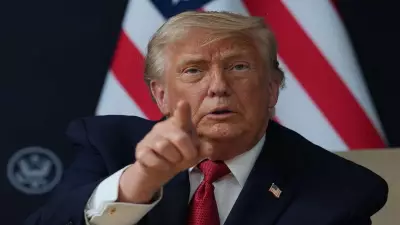
In a move that has ignited a fresh wave of political controversy and online debate, former United States President Donald Trump shared a digitally altered picture of himself labelled as the 'Acting President of Venezuela'. The image was posted on his social media platform on January 12, 2026, as reported by Akriti Anand for Mint.
The Provocative Social Media Post
The core of the incident revolves around a single, highly provocative image. The picture, which appears to be generated or manipulated using artificial intelligence, superimposes Trump's likeness into a formal presidential context. Most strikingly, the image is boldly captioned, identifying him not as the former leader of the United States, but as the 'Acting President of Venezuela'. This direct and unsanctioned claim to the leadership of a sovereign nation is what has transformed a mere social media update into an international talking point.
Context and Immediate Reactions
While the post itself contained no lengthy commentary, its implications are vast. Venezuela has been mired in a complex political crisis for years, with contested leadership and severe economic challenges. For a figure of Trump's global stature to symbolically insert himself into this sensitive geopolitical arena is seen by analysts as a deliberate act of political theatre. The post quickly went viral, drawing millions of views and reactions ranging from amusement among his supporters to severe criticism from political opponents and international observers.

Critics have labelled the act as irresponsible, arguing it undermines the seriousness of Venezuela's ongoing crisis and makes a mockery of diplomatic norms. Supporters, however, often frame such actions as part of Trump's signature style of breaking political conventions and dominating news cycles. The incident highlights the growing trend of using AI-generated imagery in political messaging, a tool that blurs the lines between satire, statement, and potential misinformation.
Broader Implications and Analysis
This event is more than a bizarre social media moment; it reflects several key themes in modern politics. Firstly, it underscores the power of symbolic gestures in the digital age to command global attention without traditional diplomatic channels. Secondly, it raises questions about the role of deepfakes and AI-manipulated content in shaping political narratives and potentially destabilising international perceptions.
For India and the wider world, the post serves as a reminder of the unpredictable nature of global politics, where social media can instantly create diplomatic ripples. It also reinforces the need for media literacy among the public to critically assess the veracity and intent behind politically charged digital content. As of now, there has been no official reaction from the Venezuelan government, but the image has undoubtedly added a strange new layer to the discourse surrounding both US politics and Venezuela's future.