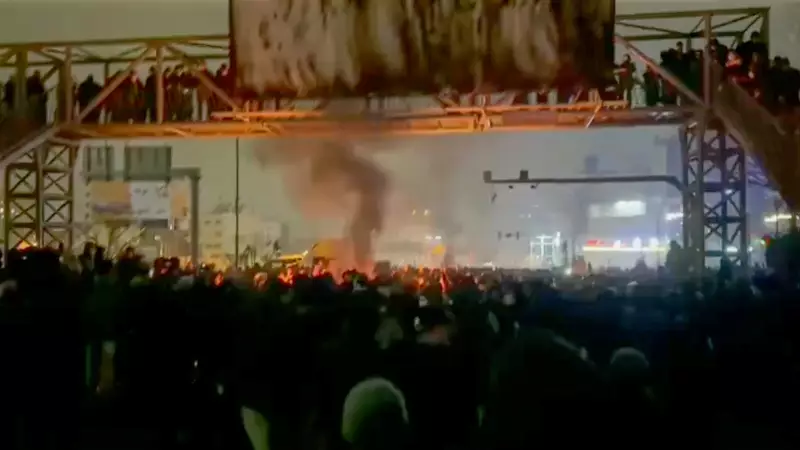
Iran is facing one of its most significant domestic challenges in years as the death toll from a widespread crackdown on anti-government protests has crossed a grim milestone. According to reports from human rights organizations, more than 500 people have been killed since demonstrations erupted across the nation in mid-September.
The Spark That Ignited a Nationwide Uprising
The protests were triggered by the tragic death of 22-year-old Mahsa Amini on September 16. Amini was detained by Iran's morality police in Tehran for allegedly violating the country's strict hijab rules. She fell into a coma while in custody and died three days later. Authorities claimed she suffered a heart attack, but her family and protesters allege she was beaten. Her death became a powerful symbol of state oppression, particularly against women, and ignited long-simmering public anger over social restrictions and economic hardship.
What began as outrage over Amini's death quickly evolved into a broader movement. Demonstrators, with women and young people at the forefront, began chanting slogans against Supreme Leader Ayatollah Ali Khamenei and calling for an end to the Islamic Republic's rule. The protests spread to over 140 cities and towns, representing one of the most serious challenges to Iran's clerical leadership in decades.

A Severe and Deadly Response
The government's response to the largely peaceful demonstrations has been severe and, according to international observers, disproportionate. Security forces, including the Islamic Revolutionary Guard Corps and Basij militia, have used live ammunition, metal pellets, and tear gas to disperse crowds. Iran Human Rights (IHR), a Norway-based group, and Hengaw, a Kurdish rights organization, have been meticulously documenting the casualties.
Their latest figures indicate that at least 507 protesters have been killed, including 70 children. The provinces of Sistan and Baluchistan, Kurdistan, and Tehran have witnessed some of the highest numbers of fatalities. Notably, the crackdown has not been limited to protesters on the streets. Reports indicate that security forces have raided homes, universities, and even hospitals to arrest injured demonstrators and those suspected of supporting the movement.
Beyond the fatalities, thousands of Iranians have been arrested. The judiciary has begun issuing harsh sentences, including death penalties, for those convicted of "enmity against God" or "corruption on earth"—vague charges often used against political dissidents. The government has also imposed severe internet restrictions, repeatedly shutting down access to global platforms and slowing bandwidth to a crawl to prevent the flow of information and organization of protests.
International Condemnation and Domestic Stalemate
The escalating violence has drawn sharp condemnation from around the world. The United Nations Human Rights Council voted to establish an independent fact-finding mission to investigate alleged abuses. The United States, European Union, United Kingdom, and Canada have imposed new sanctions on Iranian officials and entities involved in the suppression.
Despite the pressure, Iranian authorities remain defiant. They have labeled the protests as "riots" instigated by foreign enemies, specifically pointing fingers at the United States, Israel, and Saudi Arabia. State media largely ignores the scale of the protests and the death toll, instead focusing on pro-government rallies. The government has shown no sign of backing down from its enforcement of mandatory hijab laws or addressing the core grievances of the protesters.
The situation presents a critical juncture for Iran. The protest movement, while showing remarkable resilience, faces a state apparatus willing to use extreme force. The international community watches closely, balancing its condemnation with diplomatic considerations. The death toll of over 500 marks a tragic and profound moment in Iran's modern history, underscoring the high human cost of the ongoing struggle for fundamental freedoms within the country.