In a significant political development, the Palestinian militant group Hamas has declared its readiness to dissolve its administrative committee governing the Gaza Strip. This move is conditional upon the formation of a new, unified Palestinian government that includes all factions. The announcement signals a potential breakthrough in long-stalled efforts for Palestinian political reconciliation.
A Step Towards Palestinian Unity
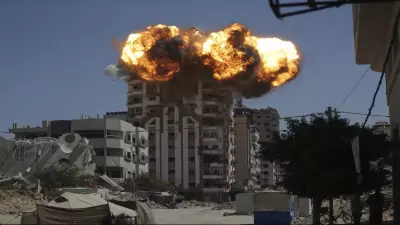
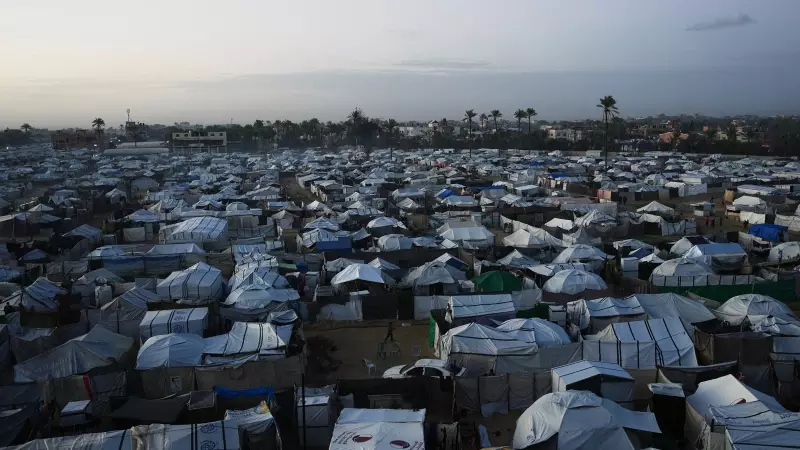
The statement from Hamas was issued on Tuesday, following discussions with other Palestinian groups. The organization stated it had informed Egyptian, Qatari, and Turkish mediators, as well as other Palestinian factions, of its decision. The core condition is that a new "consensus government" must be established to manage both the Gaza Strip and the Israeli-occupied West Bank. This proposed government would undertake the responsibilities of governance and begin the process of rebuilding Gaza after the devastating conflict.
Hamas has controlled Gaza since 2007, after a brief civil war with the rival Fatah movement led by President Mahmoud Abbas. This split created a deep political and geographical division, with the Palestinian Authority (PA) governing parts of the West Bank and Hamas ruling Gaza. Numerous attempts at reconciliation over the past 17 years have failed to bridge the gap.

International Mediation and Internal Consensus
The latest push for unity comes amid intense international pressure, especially from mediators like Egypt and Qatar who are also involved in ceasefire negotiations with Israel. Hamas emphasized that its decision was made after internal consultations and talks with other factions, including Fatah. The goal is to establish a government of "national consensus" that would lead to "comprehensive political arrangements."
This development is seen as a direct response to calls from the Palestinian Authority and the international community for a reformed Palestinian administration that can take over governance in a post-war Gaza. The United States and regional actors have insisted that Gaza should be reunited with the West Bank under a revitalized Palestinian Authority as part of any lasting solution to the conflict.
Challenges and Implications for the Future
While Hamas's announcement is a positive step, significant hurdles remain. The details of forming such a unity government, its composition, and its relationship with Hamas's military wing are complex and unresolved issues. Furthermore, the stance of the Israeli government, which rejects any role for Hamas in a future Gaza, poses a major obstacle.
The move could be interpreted as a strategic concession by Hamas, which is under immense military and humanitarian pressure in Gaza. By agreeing to dissolve its administrative arm, it may seek to secure a place in the broader Palestinian political structure while focusing on its role as a resistance movement. The success of this initiative hinges on the willingness of all Palestinian factions to compromise and the ability of international mediators to facilitate a credible agreement.
The ultimate test will be whether this declaration translates into concrete action, leading to the first genuinely unified Palestinian leadership in nearly two decades. The outcome will critically influence not only Gaza's reconstruction but also the broader trajectory of the Israeli-Palestinian conflict.