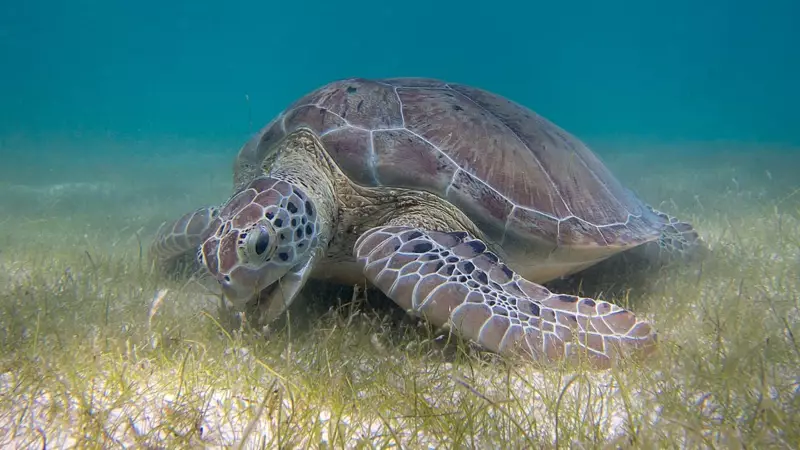
In a landmark victory for marine conservation, the iconic green sea turtle has officially stepped back from the brink of extinction. The International Union for Conservation of Nature (IUCN) announced in October 2025 that the species' global status has been upgraded from Endangered to Least Concern. This remarkable turnaround is the result of coordinated, decades-long international efforts to protect these ancient mariners.
A Conservation Success Story Decades in the Making
The recovery of the green sea turtle (Chelonia mydas) is no accident. After suffering severe declines due to overhunting, egg harvesting, and habitat loss, the global population has increased by an estimated 28 per cent since the 1970s. This rebound is hailed as one of the most significant marine conservation achievements in recent history.
Conservationists targeted the creatures' most vulnerable life stages. Key strategies included:

- Protecting nesting beaches from egg collection and human disturbance.
- Shielding nesting females from hunting.
- Implementing community programs to reduce unsustainable use of turtles and eggs.
- Enforcing international rules to limit commercial trade.
In fisheries, the widespread adoption of Turtle Excluder Devices (TEDs) has dramatically cut down on accidental turtle deaths. Notable population recoveries have been recorded in regions like Ascension Island, Brazil, Mexico, and Hawai'i, where numbers are nearing pre-industrial hunting levels.
Why Green Turtles Matter: Keystones of the Ocean
Green sea turtles are far more than just survivors; they are vital architects of healthy oceans. As keystone species, they play a crucial role in maintaining marine ecosystems. Their grazing on seagrass beds prevents overgrowth, promoting healthier habitats for fish, invertebrates, and coral reefs. For thousands of years, coastal communities worldwide have also valued them for cultural, spiritual, and culinary reasons.
Roderic Mast, Co-Chair of the IUCN's Species Survival Commission Marine Turtle Specialist Group, emphasised the lesson learned: "The ongoing global recovery of the green turtle is a powerful example of what coordinated global conservation over decades can achieve... Sea turtles cannot survive without healthy oceans and coasts, and humans can’t either."
Ongoing Threats: Climate Change and Human Pressure
Despite the celebratory news, the IUCN cautions that this is a recovery, not a full return. Turtle populations remain far below their numbers before European colonisation and widespread commercial hunting. Significant challenges persist:
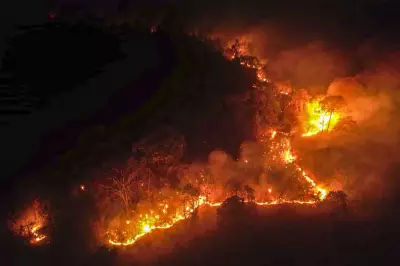
Illegal harvesting of eggs and adults continues in some areas, while coastal development destroys critical nesting and feeding grounds. Perhaps the most formidable new threat is climate change. Rising sand temperatures on nesting beaches skew the sex ratio of hatchlings, producing more females. At the world's largest nesting site, Raine Island in Australia, fewer hatchlings have emerged in recent years, alarming scientists.
Furthermore, rising sea levels, more intense storms, and warming oceans directly threaten the very habitats that have allowed the turtles to rebound. The fragile nature of this success underscores the need for sustained, vigilant conservation efforts to ensure green sea turtles continue to thrive for generations to come.