Telangana Caste Survey Exposes Alarming Child Labor Crisis
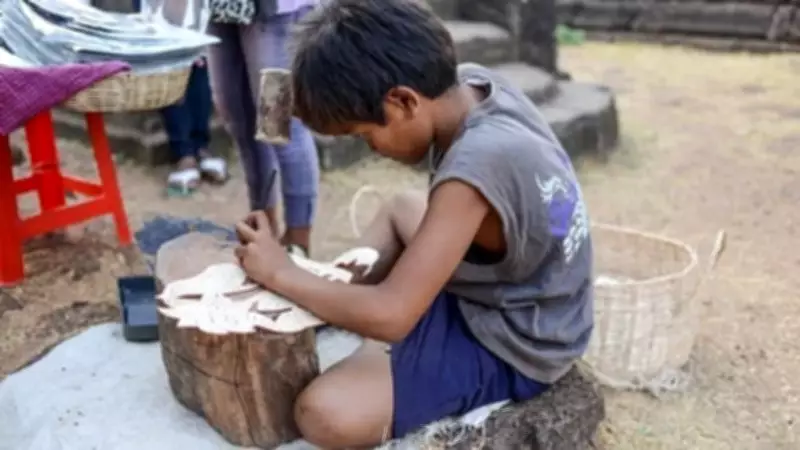
A comprehensive caste survey conducted in Telangana has brought to light a distressing reality: approximately 89,000 child laborers are currently working across the state. This revelation underscores persistent social and economic challenges, particularly affecting marginalized communities.
Survey Findings Highlight Disproportionate Impact on SC/ST Groups
The survey data indicates that the vast majority of these child laborers hail from Scheduled Castes (SC) and Scheduled Tribes (ST). This disproportionate representation points to systemic inequalities and historical disadvantages faced by these communities, which continue to perpetuate cycles of poverty and exploitation.
Child labor in Telangana is prevalent in various sectors, including agriculture, domestic work, and small-scale industries. Many of these children are forced into labor due to economic hardships, lack of access to education, and social vulnerabilities.

Implications for Social Policy and Governance
The findings of this survey have significant implications for policymakers and government agencies. They highlight the urgent need for targeted interventions to address the root causes of child labor, such as poverty alleviation, educational outreach, and enforcement of labor laws.
Key areas for action include:
- Strengthening social welfare programs for SC/ST families
- Improving access to quality education and vocational training
- Enhancing monitoring and enforcement mechanisms to prevent child labor
- Promoting awareness campaigns on child rights and legal protections
Broader Context of Caste-Based Disparities
This survey is part of a broader effort to understand and address caste-based inequalities in Telangana. The data on child labor adds a critical dimension to ongoing discussions about social justice and inclusive development. It calls for a multi-faceted approach that combines economic support with social empowerment initiatives.
As Telangana continues to develop, addressing these deep-seated issues will be crucial for ensuring equitable growth and protecting the rights of all children, regardless of their caste or socioeconomic background.