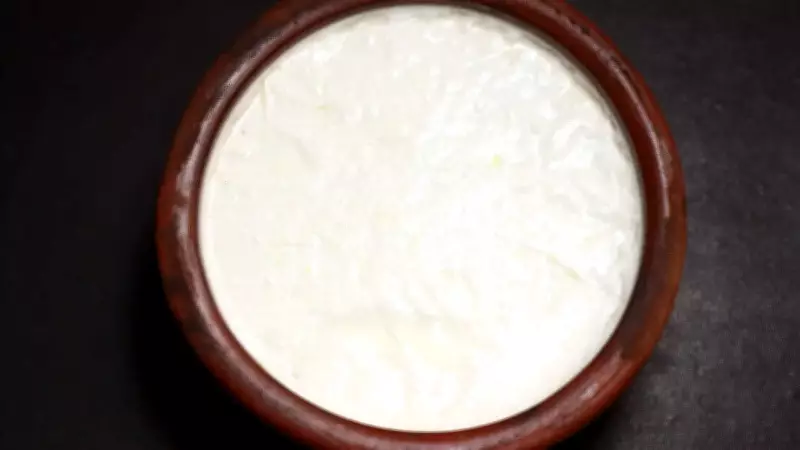
Why Homemade Curd Releases Watery Liquid: Science & 4 Expert Tips for Perfect Curd
When it comes to curd, nothing compares to the comfort and creamy texture of homemade varieties, which offer a subtle sweetness and rich flavor. If the milk is boiled with its natural fat content, it can even develop a thick layer of malai that enhances the curd's richness. However, many home cooks face disappointment when their homemade curd develops a thin, transparent watery layer on top after setting. According to food experts, this liquid is actually whey protein, a natural byproduct of milk fermentation that is rich in protein, calcium, vitamin B12, and probiotics. While it is perfectly safe and nutritious for consumption, it can detract from the visual appeal of the dish. Let's delve into the science behind this phenomenon and explore four smart, expert-recommended tips to fix it and achieve perfectly set curd at home.
Understanding the Science Behind the Watery Layer
According to food science experts, when you add a starter culture to milk, beneficial bacteria convert lactose into lactic acid. This acidification process causes milk proteins to coagulate and solidify. If the protein structure becomes too tight or unstable during fermentation, it can expel water, resulting in the watery layer known as curd whey. This occurrence largely depends on factors such as the quality of the milk, the temperature during fermentation, and the overall fermentation process. Understanding these elements is key to preventing the issue and ensuring a smooth, consistent curd every time.
Tip 1: Use Full-Fat Milk for a Creamier Texture
The texture of curd is heavily influenced by the quality of milk used. Full-fat milk produces thicker and creamier curd because it has a richer composition that supports a stable protein network. In contrast, toned or skim milk lacks sufficient fat content, making the curd more prone to releasing water and resulting in a less desirable consistency. By opting for full-fat milk, you can enhance the creaminess and stability of your homemade curd, reducing the likelihood of watery separation.

Tip 2: Add the Right Amount of Starter Culture
Another common reason for curd releasing water is the excessive use of starter. Many people mistakenly add a large spoonful of starter, thinking it will accelerate the setting process and produce a thicker curd. However, too much starter can actually speed up fermentation excessively, making the curd overly sour and causing it to release more whey. The key is to follow a balanced approach: for 500 ml of milk, use only about 1/4 to 1/2 teaspoon of starter. This moderate amount allows for controlled fermentation, leading to a perfectly set curd without excess liquid.
Tip 3: Maintain a Warm and Stable Temperature
When making curd at home, maintaining the right temperature is crucial for successful fermentation. Ideally, curd should be kept in an environment between 30°C and 40°C. If the temperature is too cold, the curd may not set properly; if it is too hot or left for too long, over-fermentation can occur, leading to excess liquid formation. During colder weather, experts recommend placing the container in a switched-off oven or microwave, or wrapping it in a cloth to help maintain the optimal temperature. This ensures the curd sets evenly and retains its desired texture.
Tip 4: Add Starter at the Correct Temperature
The ideal temperature to add the starter to milk is lukewarm, around 35°C to 40°C. For precision, using a kitchen thermometer can be helpful. Traditionally, many Indian households test the milk by dipping a finger into it; if it feels warm yet comfortable, it is at the right temperature for adding the starter. Additionally, after closing the lid, avoid shaking or moving the container, as this can disrupt the formation of the protein structure. Such disturbances can result in a loose consistency that cannot effectively hold water, leading to a watery layer. By following these temperature guidelines and handling the curd gently, you can achieve a firm, well-set curd every time.