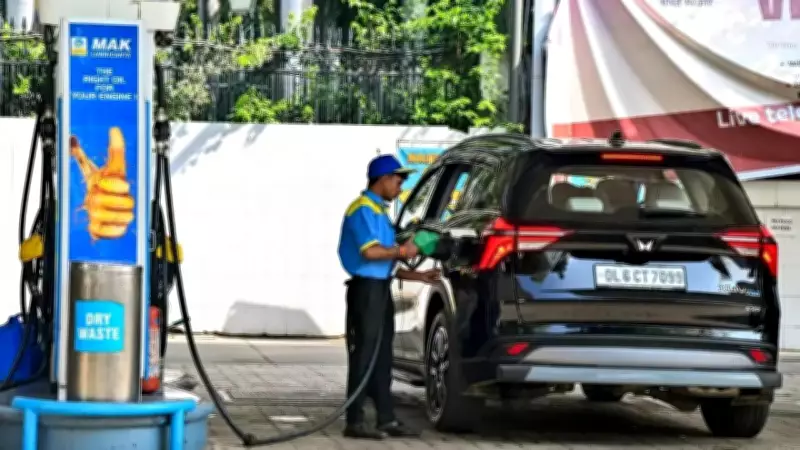
Government Dismisses Fuel Price Hike Reports as 'Fake News'
The Ministry of Petroleum and Natural Gas on Thursday firmly denied circulating reports suggesting a potential increase in petrol and diesel prices, labeling them as "fake news" intended to cause unnecessary panic among the public. In a statement posted on social media platform X, the ministry clarified that no such proposal is under consideration by the government.
Ministry Warns Against Misleading Information
The ministry issued a stern warning, stating that these reports are "designed to create fear and panic amongst the citizens" and described them as "mischievous and misleading." It urged citizens to rely only on official sources for accurate information regarding fuel prices, emphasizing the government's commitment to transparency and stability in the energy sector.
India's Exceptional Fuel Price Stability Highlighted
Highlighting India's unique position globally, the ministry pointed out that the country has maintained stable petrol and diesel prices for the past four years, despite significant fluctuations in international markets. "In fact, India is the only country where petrol and diesel prices haven't increased in the last 4 years," the post stated, underscoring the government's efforts to shield consumers from global energy shocks.

Measures to Cushion Impact of Global Volatility
The ministry detailed the "relentless steps" taken by the Government of India and public sector oil companies to protect citizens from steep rises in international fuel prices. Key measures include:
- A reduction in excise duty on petrol and diesel by Rs 10 per litre each.
- Imposition of export duties on diesel and aviation turbine fuel to offset revenue losses.
- Introduction of a windfall tax to ensure domestic price stability.
These actions were implemented even as fuel retailers like Indian Oil Corporation, Hindustan Petroleum, and Bharat Petroleum faced substantial losses, estimated at approximately Rs 24 per litre on petrol and Rs 30 on diesel.
Fiscal Implications and Government Strategy
According to statements by Finance Minister Nirmala Sitharaman, these measures aimed to maintain stable domestic prices amid global volatility, despite creating a significant fiscal burden. Officials noted that while the excise cut resulted in revenue losses exceeding Rs 7,000 crore, the export tax helped partially compensate for these losses, demonstrating the government's proactive approach to balancing consumer protection with economic sustainability.
The ministry reaffirmed its dedication to ensuring fuel price stability and urged the public to disregard baseless rumors, reinforcing trust in official channels for updates on energy policies.