Pune's Water Woes Deepen as Infrastructure Lags Behind Demand
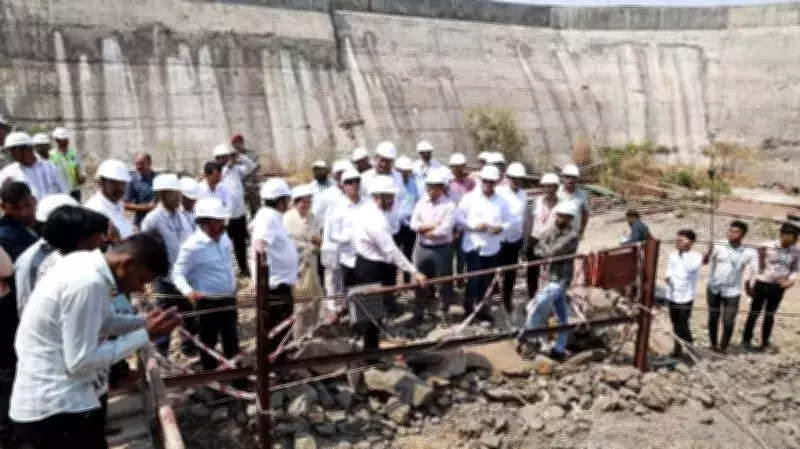
In Pune, a critical water shortage has sparked intense lobbying efforts, with BJP MLAs and the Pimpri Chinchwad Municipal Corporation (PCMC) administration urgently seeking an additional 100 million liters per day (MLD) from the Pavana dam. However, sources within the civic body's water supply department have revealed a stark reality: the city currently lacks the necessary infrastructure to draw this extra water, casting doubt on any immediate relief.
Infrastructure Deficit Delays Potential Relief
Even if the state government grants immediate approval for the increased allocation, officials estimate it will take at least a year to install the required pumping systems and pipelines. This delay underscores the systemic challenges facing Pimpri Chinchwad as it grapples with rapid urbanization and escalating water needs.
Bhama Askhed Project Delays Drive Urgency
The urgency to secure more water from Pavana dam stems from chronic delays plaguing the Bhama Askhed project, which was originally intended to supply the city with 167 MLD. Earlier this year, the PCMC initiated termination proceedings against the contractor for this project after repeated missed deadlines. While approximately 60% of the work has been completed, civic officials now project it will take at least another year to finish the remaining tasks, further exacerbating the water crisis.

High-Level Discussions and State Scrutiny
The issue was discussed on Wednesday in Mumbai during a meeting with state water resources minister Radhakrishna Vikhe Patil. According to a senior irrigation department official, a final decision on the proposal is pending, with another meeting scheduled soon to evaluate technical aspects. Minister Vikhe Patil has directed the PCMC to submit a fresh proposal for the Pavana allocation, though officials note that similar past requests have been unsuccessful.
During the meeting, the minister also raised sharp criticism regarding the city's waste management practices. Concerns were flagged over untreated sewage being released into local rivers, with irrigation department data indicating that nearly 50% of the city's water is discharged without treatment, negatively impacting downstream farmers. The state further highlighted PCMC's pending dues and penalties related to this untreated discharge, adding another layer of complexity to the water allocation discussions.
Current Water Supply and Future Demands
Currently, the PCMC receives water from multiple sources:
- 530 MLD from Pavana dam
- 100 MLD from Andra dam
- 30 MLD from MIDC
While the city treats approximately 380 MLD through its sewage treatment plants (STPs), the gap between consumption and treatment remains a contentious issue with the irrigation department. Pavana dam has a total capacity of 750 MLD, with PCMC drawing 530 MLD and MIDC taking 70 MLD. Civic officials argue that since no other major entity relies on the dam, the remaining 150 MLD of potential capacity should be diverted to the municipal corporation to support the city's rapid expansion.
Political Advocacy and Long-Term Strategy
The high-level meeting was convened after Chinchwad MLA Shankar Jagtap raised the water crisis during the ongoing assembly session. Jagtap claimed that the minister has promised a decision on the Pavana allocation within two weeks. He emphasized, "With the population booming, our existing supply is falling short. We are aggressively pursuing this with the state government to ensure Pimpri Chinchwad's future water security."
However, officials clarified that this move is a long-term strategy rather than a quick fix. With the city's population growing at an estimated 7% annually, the additional water is intended to meet future demand rather than provide immediate relief to current shortages. This approach highlights the need for sustainable planning amid ongoing infrastructure and project delays.