Delhi Cabinet Greenlights ₹78,800 Crore Budget for 2026-27 Under CM Rekha Gupta
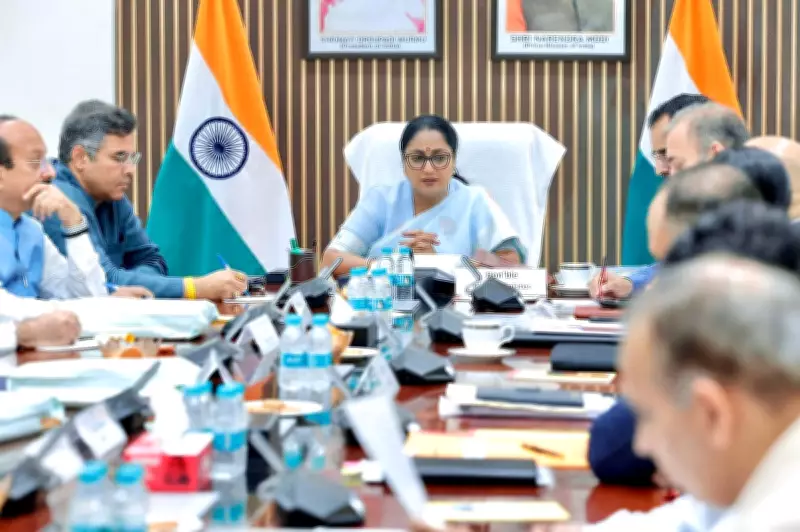
The Delhi Cabinet, under the leadership of Chief Minister Rekha Gupta, has officially approved a substantial budget of ₹78,800 crore for the upcoming fiscal year 2026-27. This significant financial blueprint underscores the government's commitment to enhancing public services and driving economic growth in the national capital. The approval marks a pivotal step in the state's annual planning process, setting the stage for targeted investments across key sectors.
Strategic Allocation of Funds for Development Initiatives
The newly sanctioned budget places a strong emphasis on critical areas such as education, healthcare, and infrastructure. A substantial portion of the funds is earmarked for upgrading school facilities, expanding healthcare access, and improving transportation networks. This strategic allocation aims to address pressing urban challenges while fostering sustainable development. The government's focus on these sectors reflects its dedication to improving the quality of life for Delhi's residents and boosting overall economic productivity.
Key Highlights and Priorities of the Budget Proposal
Key highlights of the budget include initiatives to modernize public schools, enhance hospital services, and develop smart city projects. Additionally, funds are allocated for environmental sustainability efforts, such as waste management and green energy adoption. The budget also supports social welfare programs aimed at empowering marginalized communities and promoting inclusive growth. These priorities align with the government's broader vision of creating a resilient and prosperous Delhi, capable of meeting future demands.

Implications for Delhi's Economic and Social Landscape
The approval of this budget is expected to have far-reaching implications for Delhi's economic and social landscape. By channeling resources into essential services and infrastructure, the government aims to stimulate job creation, attract investments, and enhance urban livability. The budget's focus on education and health is particularly noteworthy, as it seeks to build human capital and ensure equitable access to opportunities. Overall, this financial plan represents a comprehensive approach to governance, balancing immediate needs with long-term strategic goals.
Next Steps and Implementation Timeline
Following the cabinet's approval, the budget will proceed to the legislative assembly for further discussion and final ratification. The implementation phase is slated to begin in April 2026, with various departments tasked with executing the outlined projects. Regular monitoring and evaluation mechanisms will be established to ensure efficient utilization of funds and timely achievement of objectives. This structured approach aims to maximize the budget's impact and deliver tangible benefits to the citizens of Delhi.