Deccan Herald Cartoon Offers Sharp Critique of Political Rhetoric
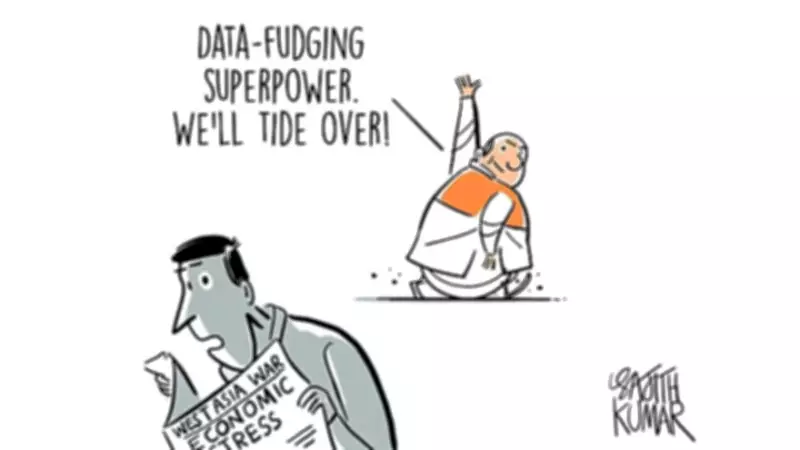
A recent cartoon published by Deccan Herald has sparked discussion by satirizing the tendency of political leaders to offer comforting words to the masses during times of economic hardship. The artwork, titled DH Toon: Comforting Words for the Masses, uses visual humor to highlight the disconnect between political promises and the everyday realities faced by citizens.
Analyzing the Satirical Message
The cartoon depicts a scenario where figures in power are shown delivering optimistic speeches or assurances, while ordinary people in the background grapple with visible struggles such as rising prices, unemployment, or other economic pressures. This contrast serves as a pointed commentary on how political rhetoric can sometimes feel empty or insufficient when not backed by tangible actions or policy changes.
By employing satire, the cartoon encourages viewers to reflect on the effectiveness of governmental communication and the need for more substantive solutions to public issues. It taps into a broader sentiment of skepticism towards political narratives that prioritize reassurance over results.

Context and Public Reaction
Published in the opinion section of Deccan Herald, the cartoon aligns with a tradition of editorial cartoons that use wit and imagery to critique social and political issues. In this case, it addresses ongoing concerns about economic challenges, such as inflation and job insecurity, which have been prominent in public discourse.
Reactions to the cartoon have varied, with some readers applauding its boldness in calling out political complacency, while others may view it as overly critical. Regardless, it has succeeded in generating conversation about the role of media in holding power accountable and the importance of addressing real-world problems beyond mere words.
Broader Implications for Governance and Media
This cartoon underscores the vital role of political satire in a democratic society, where it can serve as a tool for public awareness and critique. It reminds leaders that public trust is built not just on promises but on demonstrable progress and empathy for citizens' struggles.
Moreover, it highlights how media outlets like Deccan Herald contribute to public debate by providing platforms for artistic expression that challenge conventional narratives. In an era of information overload, such cartoons can cut through noise to deliver powerful messages in an accessible format.
As economic issues continue to affect populations globally, this cartoon serves as a timely reminder of the need for governance that moves beyond comforting words to implement effective policies. It encourages a more engaged and critical public discourse, fostering accountability and driving positive change.