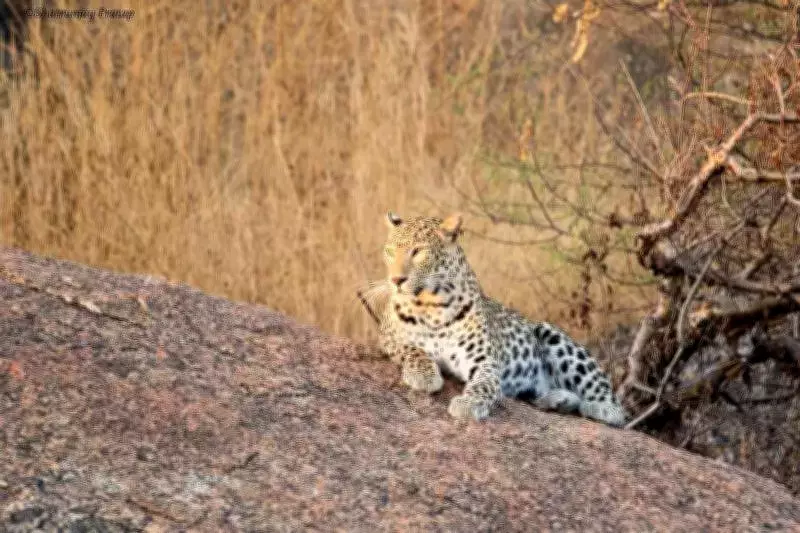
Rajasthan High Court Implements Strict Regulations on Jawai Leopard Reserve Tourism
The Rajasthan High Court's principal seat in Jodhpur has issued a landmark order, imposing a comprehensive ban on night safaris and significantly restricting all wildlife tourism activities within the Jawai leopard conservation reserve and its surrounding areas. The court has mandated that tourism operations are now permitted only between 6 am and 7 pm, marking a decisive step towards tightening regulations in the ecologically sensitive Pali district region.
Court Order Targets Disruptive Practices and Wildlife Disturbance
A division bench comprising Justice Pushpendra Singh Bhati and Justice Sandeep Shah, while hearing a Public Interest Litigation (PIL) filed by petitioner Apoorva Agrawal, has ordered an immediate prohibition on the use of drones, spotlights, and other intrusive devices that disturb wildlife, with particular emphasis on protecting the resident leopard population. The court has directed authorities to take prompt penal action against any individuals or operators found violating these new regulations.
In its detailed order uploaded on Wednesday, the judicial bench emphasized the urgent necessity for strict regulation of tourism activities in Jawai, an area often celebrated as "leopard country." The court expressed serious concerns that unregulated commercial activities are causing significant harm to the region's fragile ecosystem and delicate environmental balance.

Constitutional Mandate and Ecological Significance Underlined
The High Court underscored the constitutional mandate established under Article 48A, which explicitly obligates the state to protect and improve the environment while safeguarding forests and wildlife. The bench noted that this environmental protection duty is intrinsically linked to the fundamental right to life guaranteed under Article 21 of the Constitution, establishing a strong legal foundation for the court's intervention.
Highlighting Jawai's exceptional ecological significance, the bench observed that the region represents a rare and precious example of harmonious coexistence between human communities and wildlife populations, particularly the Indian leopard and the indigenous Rabari community. However, the court issued a stern warning that this delicate balance faces increasing threats from commercial exploitation and the proliferation of unregulated tourism infrastructure.
Petitioner's Arguments and Court's Interim Directions
Counsel representing the petitioner presented compelling arguments detailing rampant violations within the reserve, including unauthorized night safaris, artificial lighting installations, and intrusive drone surveillance. These practices, according to the submission, have caused severe disturbance and psychological stress to wildlife populations while simultaneously posing significant safety risks to tourists and undermining long-term conservation objectives.
Taking serious note of these submissions, the court issued comprehensive interim directions designed to curb harmful practices immediately. Authorities have been instructed to restrain any person found disturbing wildlife and to initiate immediate legal action against erring safari operators, hospitality staff, or individual violators. The state government and other respondents have been directed to file their detailed replies before April 20, after which the court will consider implementing additional conservation measures based on their responses.
The Rajasthan High Court's decisive action represents a significant milestone in wildlife conservation jurisprudence, establishing clear boundaries for tourism activities in ecologically sensitive areas while reaffirming the constitutional imperative of environmental protection.