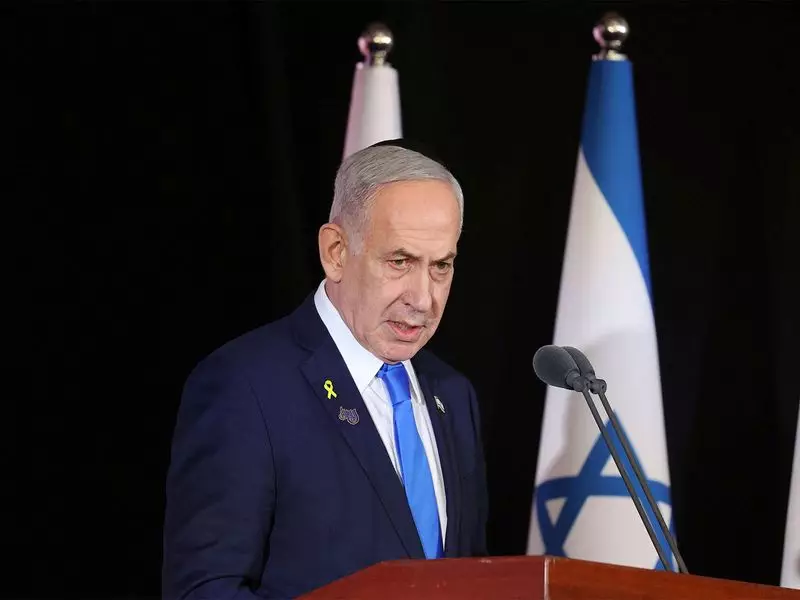
Israeli Prime Minister Benjamin Netanyahu has publicly credited former US President Donald Trump for a bold plan to capture Venezuela's President Nicolas Maduro. This revelation, made during a recent interview, sheds new light on a previously undisclosed covert operation that was ultimately never executed.
The Revelation in Netanyahu's Interview
In a detailed conversation, Netanyahu confirmed that the Trump administration had devised a comprehensive strategy to apprehend the Venezuelan leader. The Israeli leader praised Trump's decisive approach, stating the former president was prepared to take direct action. While the exact timeline remains partially unclear, the planning is understood to have occurred during Trump's term in office, which ended in January 2021.
The plan reportedly involved a complex covert operation. Its primary objective was to detain Maduro and extradite him to the United States to face serious charges. American authorities had long accused Maduro of numerous crimes, including narco-terrorism and drug trafficking. The US State Department had even offered a substantial reward of $15 million for information leading to his capture.

Why the Plan Was Never Executed
Despite extensive planning, the operation to capture Nicolas Maduro was ultimately called off. Key reasons for this decision stem from significant logistical and geopolitical hurdles. Venezuela's strong military and intelligence alliances with nations like Russia, Cuba, and Iran presented a formidable barrier, making a clandestine mission extremely risky.
Furthermore, the potential for major blowback was deemed too high. Analysts suggest a failed attempt could have triggered a severe international crisis, destabilized the region further, and led to retaliatory actions against US interests. The change in the American presidency in 2021 also shifted foreign policy priorities away from such a high-stakes venture in Venezuela.
Geopolitical Repercussions and Current Stance
Netanyahu's comments have ignited fresh debate on the extent of covert actions considered by world powers. The acknowledgment highlights the close, often clandestine cooperation on security matters between Israel and the United States, even during politically turbulent times.
For Venezuela, this news reinforces the constant external pressure the Maduro regime has faced. Meanwhile, the current US administration under President Joe Biden has pursued a different path, focusing more on diplomatic engagement and sanctions relief in exchange for democratic reforms, rather than regime change via force.
The revelation also puts a spotlight on Trump's foreign policy legacy, characterized by a willingness to employ unconventional and aggressive tactics. Netanyahu's praise underscores a shared worldview between the two leaders regarding the use of power to address geopolitical adversaries.
As this story develops, it raises critical questions about the limits of international law and the methods used to pursue leaders accused of crimes on the global stage. The failed Maduro capture plan will likely be analyzed for years as a case study in the risks and calculations of modern geopolitical confrontations.