From Monastery to Kitchen: The Remarkable Journey of Chef Jigmet Mingur
In the world of culinary arts, few stories are as captivating as that of Jigmet Mingur, a former monk who has become a celebrated chef, bringing the unique flavors of Ladakh to global attention. His distinctive approach to Ladakhi cuisine has made him a favorite feature in travel and food publications, showcasing that this high-altitude region offers far more than its stark lunar landscapes might suggest.
Humble Beginnings: A Monk's Culinary Awakening
Born in Khemi village within Ladakh's breathtaking Nubra Valley, Jigmet entered monastic life at just nine years old. He spent nearly two decades across monasteries in both Ladakh and Nepal, where cooking wasn't a creative pursuit but a shared responsibility. These strictly vegetarian monastery kitchens became his first classroom, teaching him restraint and profound respect for ingredients that would shape his entire culinary philosophy.
"At 23, I moved away from monastic life and traveled to Goa," Mingur recalls. "I spoke neither Hindi nor English, and started as a dishwasher at a beach shack just to stay close to the kitchen." This humble beginning marked the start of an extraordinary transformation.

Six years later, armed with professional culinary techniques but firmly anchored to his Ladakhi roots, he returned home. There, he began experimenting with small plates, offering both tourists and locals a completely new experience of Ladakhi cuisine.
The Philosophy: Sustainability, Seasonality and Restraint
From his intimate 10-seater Ladakh Table, Mingur demonstrates that sumptuous, sustainable, and nourishing meals are possible when one looks in the right places, trusts the seasons, embraces foraging, and practices culinary restraint. He presents all this with a gram-ready, fine-dining flourish that has captured international attention.
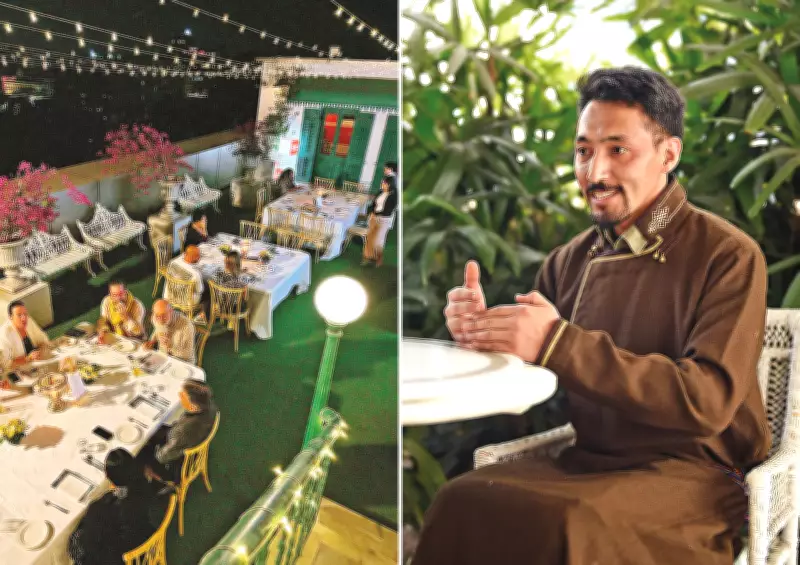
Recently, Argha Sen of Gormei brought Chef Mingur to the Glenburn Penthouse in Kolkata, where he presented his signature Ladakhi ingredients and stories to a select group of guests during an exclusive pop-up dinner. Ahead of this event, he shared insights into his unique food journey and philosophy.
"In the monastery, food was part of daily discipline; it was about care," Mingur explains. "During the 2015 Nepal earthquake, I realized food could actually help others." This realization transformed his approach from mere sustenance to meaningful nourishment.
Farm-to-Table with a Side of Foraging
For Mingur, true luxury isn't about abundance but about access to quality ingredients. "Ladakhi cuisine has always operated within scarcity," he notes. "Summers bring fresh greens; winters depend on dried leaves, fermented bread, root vegetables and stored grains."
Barley serves as the anchor of this culinary system—shaped into bread, cooked into hearty soups, and brewed into local beverages. Other essential ingredients include buckwheat, winter peas, wild caraway, capers, and the antioxidant-rich seabuckthorn that grows abundantly in the region.
The Ladakhi Menu Experience
The Kolkata pop-up dinner offered guests a complete Ladakhi culinary journey:
- The meal began with khunak (salted green tea) accompanied by traditional Ladakhi biscuits
- Charcoal-grilled khambir served with skotse (wild chives) butter followed
- Nyamthuk, a comforting barley soup with dried cheese and winter peas, provided warmth and nourishment
- Main courses showcased global interpretations with Yarkhandi pulao, gyuma (sausages), and Ladakhi pasta in broth
- The meal concluded with refreshing seabuckthorn ice-cream & apricots
"My menu changes every week," Mingur emphasizes. "The real luxury is being able to pick wild herbs, grow your own vegetables, and forage ingredients you won't usually find in the market."

Chef's Favorites and Inspirations
When asked about his favorite Ladakhi ingredient and technique, Mingur immediately mentions wild capers and cooking on charcoal. He believes khambir, the region's fermented bread, deserves global recognition for its unique flavor and texture.
Regarding seasons, he prefers summer when greens and wild herbs come alive in the Ladakhi landscape. His culinary inspirations extend beyond regional boundaries to include Middle Eastern and Italian cuisines, which he creatively combines with Ladakhi ingredients using global techniques—like his innovative winter pea hummus.
Through his innovative approach, Jigmet Mingur is not just serving food; he's telling the story of Ladakh, its people, and their sustainable relationship with the land—one exquisite plate at a time.