For countless adventurers, mountains symbolize the ultimate challenge—a test of endurance that promises the exhilarating reward of standing atop the world. Yet, scattered across the globe are majestic peaks that remain strictly forbidden to climbers. These prohibitions are not imposed due to insurmountable technical difficulties, but rather because these mountains are revered as sacred sites, protected as fragile ecosystems, or respected as culturally sensitive landmarks. In such cases, restraint triumphs over conquest, preserving their spiritual and environmental integrity.
Mount Kailash, Tibet (China)
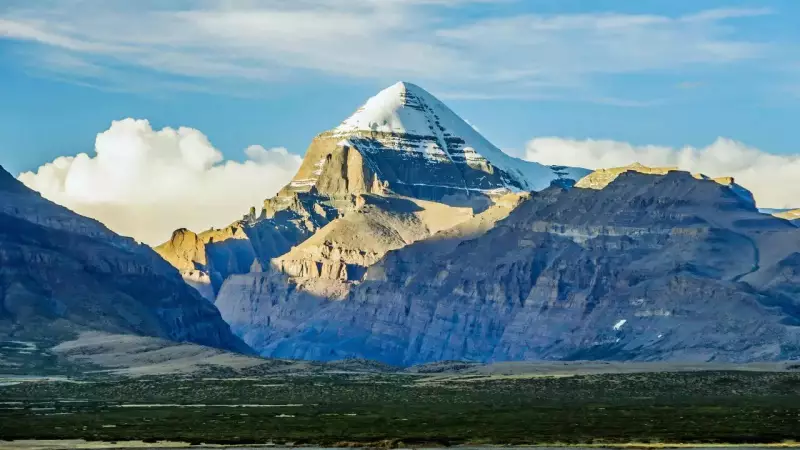
Mount Kailash stands as one of the most sacred mountains on Earth, deeply venerated across multiple faiths including Hinduism, Buddhism, Jainism, and Bon. Hindus believe it to be the abode of Lord Shiva, while Buddhists associate it with Demchok, a powerful meditation deity. Consequently, climbing Mount Kailash is strictly forbidden. Instead, pilgrims undertake a sacred 52-kilometer circumambulation, known as the Kora, which is believed to cleanse sins and bestow spiritual merit. Despite its moderate height, Kailash remains unclimbed, a testament to profound religious reverence.
Nanda Devi, India
As India's second-highest peak, Nanda Devi is not only a geographical marvel but also a goddess in local mythology. Located within the ecologically sensitive Nanda Devi Biosphere Reserve in the Himalayas, the mountain faced severe environmental degradation from early expeditions. This led to stringent access controls, with most climbing and trekking activities now banned. Today, the peak is largely inaccessible, safeguarded to protect its delicate ecosystem and cultural significance.

Uluru (Ayers Rock), Australia
Though not a traditional mountain, Uluru's imposing sandstone monolith dominates Australia's Red Centre. For the Anangu people, Uluru is a sacred site central to their creation stories, known as Tjukurpa. While climbing was once permitted, decades of advocacy by Indigenous custodians culminated in an official ban in 2019. This landmark decision reflects a growing respect for Aboriginal culture. Visitors are encouraged to walk around the base, learning about its spiritual heritage rather than ascending it.
Mount Machapuchare, Nepal
Often called the "Fishtail Mountain" due to its distinctive twin peaks, Mount Machapuchare towers over Nepal's Annapurna region. Considered sacred to Lord Shiva and believed to house divine beings, the mountain is entirely off-limits to climbers. Nepal has enforced a complete climbing ban, prohibiting even reconnaissance expeditions. Standing at over 6,900 meters, its summit remains officially unclimbed, preserving it as one of the Himalayas' most pristine and untouched peaks.
Mount Gangkhar Puensum, Bhutan
Mount Gangkhar Puensum, located on the border between Bhutan and China, holds the title of the world's highest unclimbed mountain. Bhutan has banned mountaineering above 6,000 meters since 1994, partly out of respect for local spiritual beliefs that regard high peaks as dwelling places for deities. This policy, combined with political complexities, has kept Gangkhar Puensum inviolate, symbolizing a commitment to cultural and environmental preservation.
These forbidden peaks remind us that some natural wonders are meant to be revered from afar, their sanctity and fragility protected for future generations. Whether due to religious devotion, ecological concerns, or cultural respect, these bans highlight a global shift toward valuing preservation over conquest.