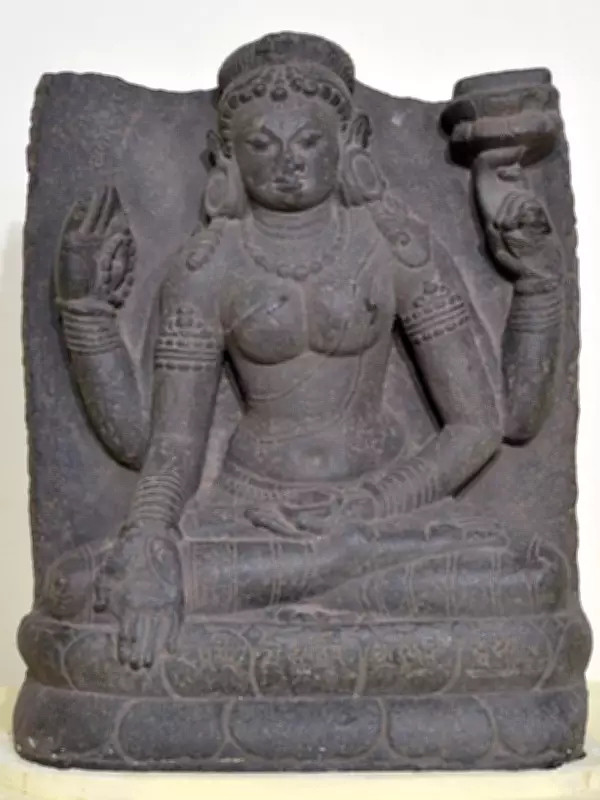
Eight Indian Artefacts in the British Museum: A Glimpse into Colonial Legacy
The British Museum in London is home to a vast collection of cultural treasures from around the world, including eight notable Indian artefacts that highlight the country's rich heritage and complex colonial history. These items, ranging from sculptures to weapons, offer insights into India's artistic and historical legacy, while also raising questions about cultural ownership and repatriation.
Notable Artefacts on Display
Among the eight Indian artefacts, several stand out for their historical and artistic significance:
- Amaravati Marbles: A collection of Buddhist sculptures from the 2nd century BCE, originally from Andhra Pradesh, showcasing intricate carvings and religious themes.
- Tipu Sultan's Tiger: An 18th-century mechanical toy depicting a tiger attacking a European soldier, symbolizing resistance against colonial rule.
- Mughal Miniatures: Detailed paintings from the Mughal era, illustrating court life, battles, and landscapes with vibrant colors and fine brushwork.
- Chola Bronzes: Hindu deity sculptures from the Chola dynasty, renowned for their spiritual expression and craftsmanship.
Historical Context and Acquisition
These artefacts were acquired during the British colonial period in India, often through trade, gifts, or looting. For instance, the Amaravati Marbles were discovered in the 19th century and transported to Britain, while Tipu Sultan's Tiger was taken after the fall of Seringapatam in 1799. This history reflects the broader patterns of colonial exploitation and cultural appropriation, where valuable items were removed from their places of origin.

In recent years, there has been growing debate over the repatriation of such artefacts, with calls from India and other nations for their return. The British Museum, however, maintains that these items are part of a global collection, accessible to all visitors for educational purposes.
Cultural and Educational Impact
Despite the controversies, the presence of these Indian artefacts in the British Museum allows international audiences to appreciate India's diverse cultural heritage. They serve as educational tools, offering glimpses into ancient civilizations, religious practices, and historical events. For example, the Chola Bronzes provide insights into Hindu iconography, while the Mughal Miniatures depict the opulence of imperial courts.
Moreover, these artefacts contribute to ongoing discussions about museum ethics and the responsibilities of institutions in preserving and displaying cultural property. They remind us of the need for respectful engagement with history and the importance of acknowledging the contexts in which these items were acquired.
In summary, the eight Indian artefacts in the British Museum are more than just objects; they are symbols of India's enduring legacy and the lasting impacts of colonialism. As debates over their ownership continue, they remain valuable for understanding both the past and the present.