

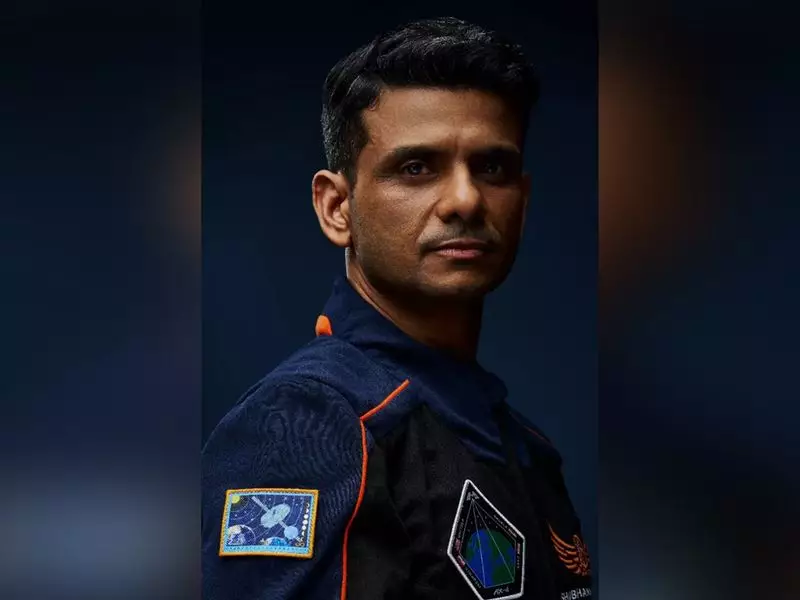
In a fascinating revelation that underscores the meticulous preparation for space travel, Indian Space Research Organisation (ISRO) astronaut-designate Prashant Nair shared a critical pre-flight health measure: the removal of his wisdom teeth. This detail highlights an often-overlooked but vital aspect of astronaut readiness—comprehensive dental care.
Why Dental Health is a Non-Negotiable for Spacefarers
Speaking at a recent event in Thiruvananthapuram, Group Captain Prashant Nair, one of the four test pilots selected for India's ambitious Gaganyaan mission, explained the paramount importance of oral hygiene for astronauts. He stated that dental health is treated with extreme seriousness in the world of space exploration. The primary concern is preventing medical emergencies, like a severe toothache or infection, while in the isolated environment of space, where immediate professional care is impossible.
"You don't want something happening when you are up there," Nair emphasized, pointing to the immense risk and logistical nightmare a dental issue could pose during a mission. To proactively eliminate this risk, he underwent a specific procedure. "I got two of my wisdom teeth removed before the space travel," he disclosed. This pre-emptive step is a standard part of the rigorous health preparations astronauts undergo to ensure they are in peak physical condition, free from potential sources of pain or infection.

The Rigorous Health Protocols for Gaganyaan Astronauts
The selection and training process for the Gaganyaan mission, India's first human spaceflight program, is famously stringent. The four astronaut-designates—Prashant Nair, Angad Prathap, Ajit Krishnan, and Shubanshu Shukla—are all test pilots from the Indian Air Force. Their preparation goes far beyond simulator training and physical fitness.
Their health is monitored and managed to an extraordinary degree. This includes exhaustive dental check-ups and interventions, like wisdom tooth extraction, to mitigate any health risk that could jeopardize the mission or the crew's safety. The focus is on creating a completely stable physiological state, as the human body reacts unpredictably to microgravity. Issues that are minor on Earth, such as a cavity or gum inflammation, can escalate into serious problems in space due to changes in fluid distribution and immune response.
Broader Implications for Space Medicine and Public Awareness
Nair's candid sharing serves a dual purpose. First, it offers the public a rare glimpse into the less-discussed, practical challenges of preparing humans for space. Second, it carries a powerful message for everyday health. By using his platform, Nair connected the extreme dental vigilance required for spaceflight to the importance of general oral care on Earth.
He urged citizens, especially children, to prioritize their dental hygiene. Drawing a direct parallel, he said, "If dental health is so important for us to travel to space, it is equally important for you all on Earth." His advice was simple yet impactful: brush your teeth properly twice a day to avoid cavities and maintain overall health. This public outreach component is significant, as astronauts often become role models, inspiring better habits in the population.
The event, organized by the Indian Dental Association, took place at the Kanakakunnu Palace in Thiruvananthapuram, Kerala. The discussion effectively bridged the gap between cutting-edge space medicine and fundamental public health advice, showcasing how the extreme demands of space travel can inform and improve everyday wellness practices for all Indians.






