Woman's 17-Minute Death Experience in Gym Leads to Rare Disease Discovery
Near-death experiences have long captivated human curiosity, offering glimpses into what might lie beyond life's final moments. These profound episodes often involve sensations of floating outside one's body, encountering spiritual beings, or returning from the brink of death with renewed perspective. One such remarkable story comes from a woman whose brief clinical death during a gym session unveiled a hidden genetic condition and transformed her life.
The Sudden Collapse and Cardiac Arrest
Victoria Thomas, now 41 and originally from Gloucester, was just 35 years old when her life took an unexpected turn during a bootcamp workout. Feeling suddenly dizzy and completely drained of energy, she collapsed onto the gym floor without warning. "I'd only just said it when I suddenly collapsed on the floor," she recounted to The Mirror. This dramatic event marked the beginning of a cardiac arrest, where her heart abruptly ceased pumping blood throughout her body.
Emergency paramedics arrived swiftly and performed continuous cardiopulmonary resuscitation for a staggering 17 minutes while detecting no pulse. During this critical period when medical professionals fought to revive her, Victoria experienced something extraordinary that defies conventional explanation.

The Out-of-Body Experience
Victoria describes floating near the ceiling of the gym, looking down at her own body lying motionless on the floor below. "When it happened, it went black and there was nothing, then I became aware of looking down at my body... I was floating near the roof and was looking down at myself on the gym floor," she shared with both The Mirror and LADbible. Unlike many near-death narratives that mention bright lights or overwhelming peace, Victoria's experience was more observational. "I didn't see a light or feel peaceful; I was just watching myself, and I could see some yellow machines around me," she explained.
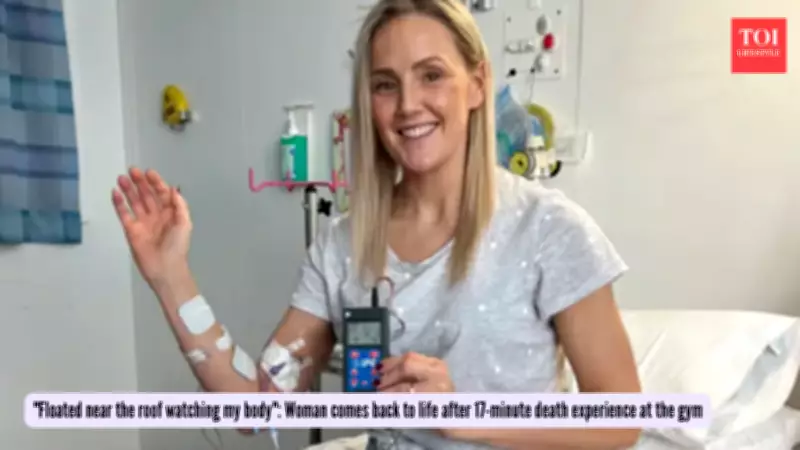
Miraculously, her heart restarted after those 17 minutes of clinical death. She spent the next three days in a coma at Bristol Royal Infirmary, where medical teams worked to stabilize her condition. Surgeons implanted a cardioverter defibrillator device to monitor and correct any future irregular heart rhythms. The British Heart Foundation explains that such devices can essentially take over the function of the heart's natural pacemaker when necessary.
Uncovering a Hidden Genetic Disorder
The implanted defibrillator fired multiple times in the following years, allowing Victoria to maintain a relatively normal life despite having no family history of heart disease. "I was so young, fit, and healthy, and it had come completely out of the blue," she reflected on the unexpected nature of her cardiac issues.
Her pregnancy in 2021 placed additional stress on her cardiovascular system, triggering further cardiac arrests that revealed the true underlying cause. At 24 weeks gestation, doctors diagnosed Victoria with Danon disease—an exceptionally rare genetic disorder that affects multiple systems including the heart, muscles, retina, and brain. As the first known case in her family, this diagnosis explained the mysterious cardiac events that began with her gym collapse.
Victoria pushed through to 30 weeks of pregnancy for an emergency cesarean section, delivering a healthy son named Tommy. However, by 2022, her heart function had deteriorated dramatically to just 11% efficiency, necessitating urgent medical intervention.
Transplant and Remarkable Recovery
Placed on the urgent transplant waiting list, Victoria received a new heart in April 2023 at Queen Elizabeth Hospital in Birmingham. Discharged just one month later in May, she has made an astonishing recovery that defies expectations. She now plays netball four times weekly and has set her sights on competing in basketball or volleyball at the upcoming World Transplant Games in Germany.

Victoria Thomas's journey from clinical death in a gym to competitive athlete after heart transplantation illustrates both the fragility and resilience of human life. Her experience provides valuable insights into near-death phenomena while highlighting the importance of genetic screening for unexplained cardiac events. The discovery of Danon disease through her ordeal may help identify this rare condition in others who might otherwise remain undiagnosed.