

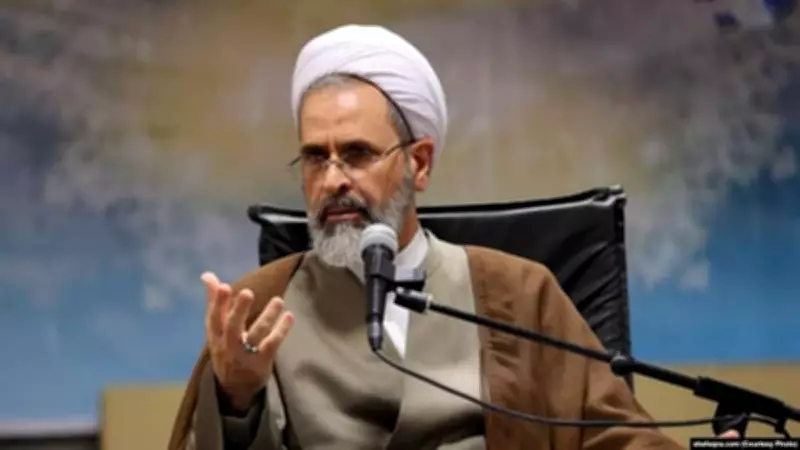
Ayatollah Arafi Steps In as Iran's Interim Supreme Leader
In a significant development following the tragic death of President Ebrahim Raisi, Iran's Assembly of Experts has appointed Ayatollah Arafi as the interim Supreme Leader of the Islamic Republic. This appointment underscores a pivotal moment in Iran's political landscape, ensuring continuity of leadership during a period of national mourning and transition.
A Critical Appointment by the Assembly of Experts
The Assembly of Experts, a powerful clerical body responsible for selecting and overseeing the Supreme Leader, convened an emergency session to address the leadership vacuum created by Raisi's demise. Ayatollah Arafi, a respected religious scholar and long-time member of the assembly, was unanimously chosen for this interim role. His selection highlights the assembly's commitment to maintaining stability and adhering to constitutional protocols in times of crisis.
Ayatollah Arafi brings decades of theological and administrative experience to the position, having served in various high-ranking roles within Iran's religious and political institutions. His interim leadership is expected to guide the nation through the upcoming presidential election and other governmental processes, ensuring that Iran's strategic policies remain uninterrupted.

Implications for Iran's Domestic and Foreign Policy
This interim appointment comes at a delicate juncture for Iran, both domestically and on the international stage. Domestically, Ayatollah Arafi will oversee the smooth functioning of the government, including key decisions related to economic policies, security matters, and social programs. His leadership is anticipated to reinforce the principles of the Islamic Revolution while addressing the pressing needs of the Iranian populace.
On the foreign policy front, Ayatollah Arafi's tenure as interim Supreme Leader is likely to maintain Iran's existing stances on regional conflicts, nuclear negotiations, and diplomatic relations. Experts suggest that his appointment signals a continuation of the conservative trajectory set by his predecessors, with a focus on sovereignty and resistance against external pressures.
The international community is closely monitoring this transition, as Iran's leadership plays a crucial role in Middle Eastern geopolitics. Ayatollah Arafi's interim period will be critical in shaping Iran's engagements with global powers and neighboring countries.
Looking Ahead: The Path to a Permanent Successor
While Ayatollah Arafi serves as the interim Supreme Leader, the Assembly of Experts will initiate the process to select a permanent successor. This involves extensive deliberations and consultations within the clerical establishment, reflecting the intricate balance of power and ideology in Iran's political system.
- The assembly will evaluate candidates based on their religious credentials, political acumen, and alignment with Iran's constitutional framework.
- This process may take several months, during which Ayatollah Arafi's interim leadership will be instrumental in maintaining governmental cohesion.
- The outcome will have long-term implications for Iran's direction, influencing everything from domestic reforms to international alliances.
In summary, the appointment of Ayatollah Arafi as Iran's interim Supreme Leader marks a crucial step in the nation's governance following President Raisi's death. It ensures leadership continuity and sets the stage for a structured transition to a permanent successor, with significant ramifications for Iran's future trajectory.






