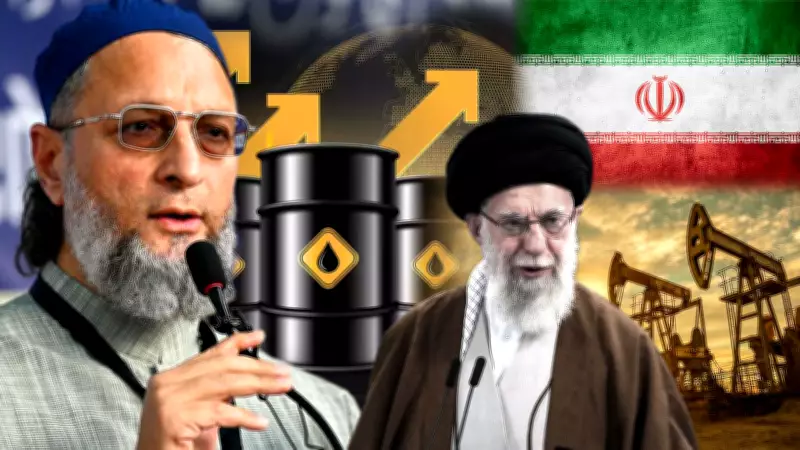
Owaisi Condemns Khamenei Killing, Warns of Economic Fallout from Regional Conflict
In a strongly worded address delivered in Hyderabad, Member of Parliament Asaduddin Owaisi has vehemently condemned the reported killing of Iran's Supreme Leader, Ayatollah Ali Khamenei. He described the act as "cowardly and inhuman", casting a shadow over already fragile diplomatic relations in the Middle East.
Escalation Fears and Retaliation Warnings
Owaisi issued a stark warning regarding the potential aftermath of this incident. He stated that Iran is widely expected to launch a significant retaliatory response. "This is not an isolated event. The expectation of retaliation is high, and it could dramatically escalate existing tensions across the region," Owaisi cautioned during his speech. He emphasized that the attack's timing was particularly provocative, occurring while international peace talks were actively underway in Geneva, undermining those diplomatic efforts.
Direct Threat to Global Oil Markets and India
Moving beyond the immediate geopolitical crisis, the AIMIM leader highlighted the severe economic risks, especially for energy-importing nations like India. He pointed out that any prolonged military conflict stemming from this event would inevitably disrupt oil supplies from the Persian Gulf.

The resulting supply shock could trigger a sharp surge in global crude oil prices. Owaisi explained that such a price hike would have a direct and painful impact on the Indian economy, which is heavily dependent on imported oil. The consequences would include:
- Increased inflation due to higher fuel and transportation costs.
- Greater strain on the country's current account deficit.
- Additional financial pressure on ordinary citizens facing costlier essential goods and services.
Owaisi's comments bring into focus the intricate link between regional instability in the Middle East and economic security in South Asia. He urged for a swift de-escalation to prevent the situation from spiraling into a wider conflict with global economic repercussions.