

In a significant move to combat the growing threat of antimicrobial resistance (AMR), AIIMS Mangalagiri in Vijayawada is spearheading a national initiative to develop India-specific data for administering drugs and treating infections. The institute is currently working on establishing crucial epidemiological cut-off values (ECOFFs) for various antimicrobials, a domain where India currently relies on Western literature.
Ending Dependence on Western Data
The core focus of the project is to create India-specific Epidemiological Cut-Off Values (ECOFFs) by meticulously studying the resistance mechanisms of bacteria prevalent in the country. This indigenous data is expected to revolutionize how infections are treated in the Indian context.
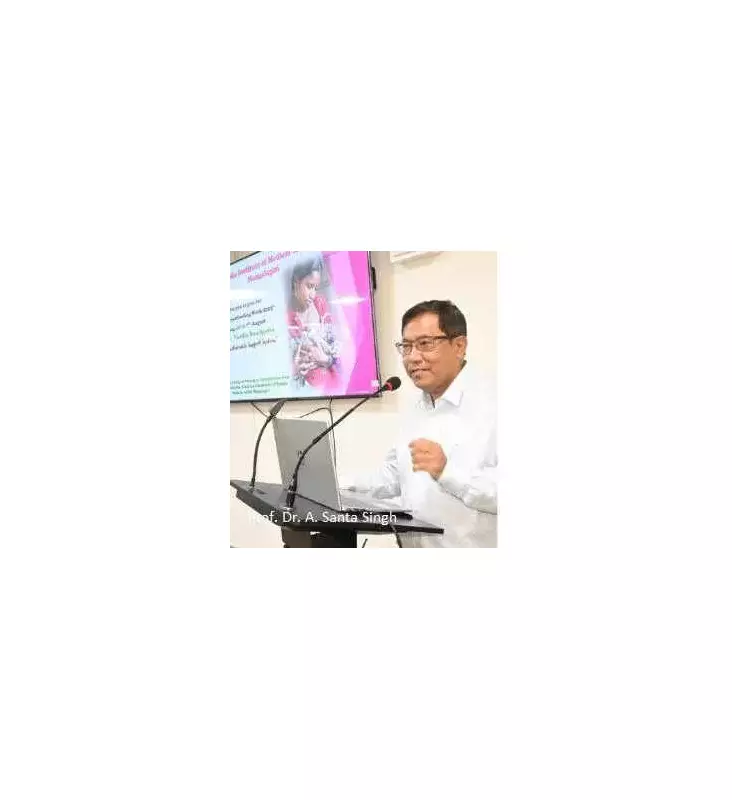
"The focus is to create India-specific ECOFFs by studying the resistance mechanisms of the bacterium. The genomic sequencing lab coming up at AIIMS Mangalagiri will carry out the research study in this regard to study and provide exclusive ECOFFs different from those of the Western ECOFFs," stated Professor Dr. Ahanthem Santa Singh, Executive Director and CEO of AIIMS Mangalagiri.

A State-of-the-Art Genomic Arsenal Against AMR
As a pivotal part of this anti-AMR strategy, AIIMS Mangalagiri will soon establish a state-of-the-art genomic sequencing laboratory. This advanced facility will be dedicated to developing a comprehensive genomic AMR database specifically for Andhra Pradesh, aligning with the holistic One Health approach that considers human, animal, and environmental health interconnected.
Dr. Singh explained that antimicrobial resistance occurs when medicines like antibiotics, antivirals, and antifungals lose their effectiveness against the germs they are designed to kill. "Over time, some of these germs naturally change and learn how to survive the medicines designed to kill them. When this happens, the drugs no longer work as they should, and infections become harder to treat," he noted.
The Accelerating Crisis and a Call for Public Action
While this process is natural, Dr. Singh warned that it is being drastically accelerated due to the rampant misuse and unregulated use of antimicrobials. This makes common infections last longer, spread more easily, and potentially become life-threatening. It also elevates the risks associated with surgeries, cancer therapy, and newborn care.
To preserve the power of existing medicines, Dr. Singh emphasized that combating AMR requires a coordinated effort across human health, animal health, agriculture, and the environment. He stressed the importance of:
- Rational prescribing practices by doctors.
- Strict adherence to treatment guidelines.
- Widespread public awareness.
In a direct appeal to citizens, Dr. Ahanthem Santa Singh urged people to avoid self-medication, especially with antibiotics, and to always seek advice from qualified medical professionals. The initiatives at AIIMS Mangalagiri represent a critical step towards a future where drug resistance is managed with precision, using data born from Indian soil.






