The year 2025 has been a landmark period for global and Indian healthcare, marked by revolutionary changes in how diseases are defined, diagnosed, and treated. From a fundamental shift in understanding obesity to groundbreaking approvals for Alzheimer's diagnostics and pioneering gene therapies, the year set new benchmarks. A significant stride was also made in improving access to life-saving, yet expensive, medicines within India.
Redefining Obesity and Expanding Treatment Access
The year began with a paradigm shift in defining obesity. Moving beyond the simplistic Body Mass Index (BMI), global experts adopted a more comprehensive framework. This new approach, highlighted by a Lancet commission, considers physical attributes like waist circumference alongside symptoms such as breathlessness, sleep apnoea, high triglyceride levels, and joint pain. It also evaluates a person's daily physical activity levels.
Concurrently, the World Health Organisation (WHO) officially classified obesity as a chronic, relapsing condition. In its first-ever guideline on new GLP-1 weight-loss drugs, the WHO recommended their long-term use for adults, coupled with lifestyle changes. Crucially, these medicines were added to the WHO's Model List of Essential Medicines, a template for countries to ensure affordable availability.

For India, this was a pivotal year in weight management, with two major GLP-1 drugs—Novo Nordisk's semaglutide and Eli Lilly's tirzepatide—finally entering the market, offering new hope for many.
Breakthroughs in Dementia and Alzheimer's Care
2025 brought compelling evidence that the shingles vaccine could reduce dementia risk. A natural experiment in Wales, where the vaccine was introduced for 79-year-olds in 2013, showed a 3.5 percentage point drop in dementia diagnoses and a 20% lower relative risk in the vaccinated group compared to their unvaccinated counterparts.
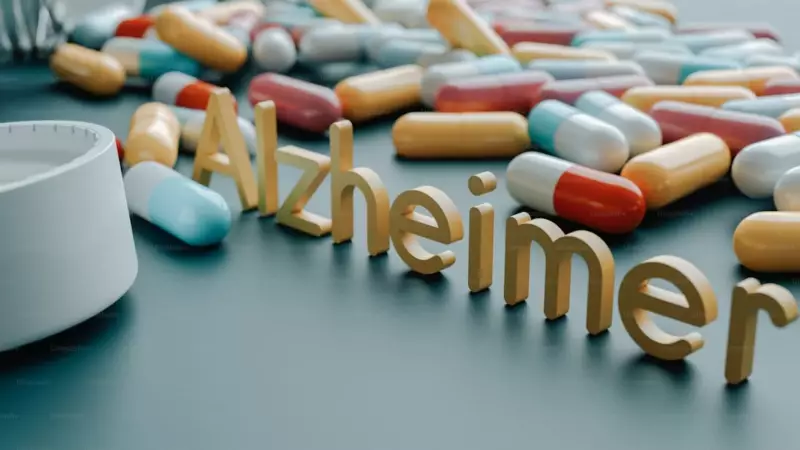
Another milestone was the US Food and Drug Administration's approval of the first blood test for diagnosing Alzheimer's disease. This test measures the ratio of two specific proteins in the blood, which correlates with the formation of amyloid beta plaques in the brain—a hallmark of the disease previously detectable only via expensive PET scans.
In India, the drug regulator approved a novel therapy to clear these protein plaques. Eli Lilly's donanemab (sold as Kinsula) is expected to reach the Indian market soon, offering a new treatment avenue for Alzheimer's patients.
Gene Editing Frontiers and India's Public Health Initiatives
The year witnessed remarkable advances in personalised medicine. In the US, researchers developed an individualised gene-editing therapy for a baby, KJ, diagnosed with a rare metabolic disorder called CPS-1 deficiency. The therapy allowed the infant to process proteins normally and reduce dependency on medicines.
In the UK, a team used donor mitochondria to prevent mitochondrial disease in eight children. In India, scientists at the Institute of Genomics and Integrative Biology developed a gene-editing therapy platform and a therapy for sickle cell disease named Birsa-101. Both have been shared non-exclusively with the Serum Institute of India for further development.
Addressing childhood health, the Central Board of Secondary Education (CBSE) directed affiliated schools to establish 'sugar boards.' This initiative aims to monitor and reduce sugar intake in school canteens, as studies show Indian children consume 13-15% of their daily calories from sugar, far exceeding the recommended 5% limit.
A Win for Affordable Medicines
In a major victory for patient access, the Supreme Court of India allowed Natco Pharma to produce a generic version of risdiplam, a drug for spinal muscular atrophy. This marks only the second successful drug patent challenge in India since product patent laws changed in 2005. The generic version is projected to slash the price from approximately Rs 6 lakh to just Rs 15,900 per bottle, bringing immense relief to affected families.
From policy shifts to scientific triumphs and legal precedents, 2025 has undeniably reshaped the healthcare landscape, making advanced diagnostics and treatments more nuanced, personalised, and accessible.