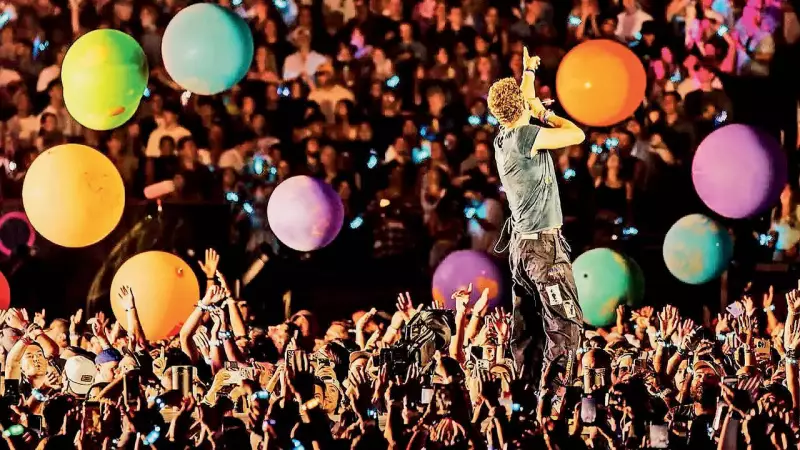
The United Kingdom is taking a historic stand against ticket scalping, with the government moving to outlaw the resale of live-event tickets for more than their original face value. This decisive action comes after mounting pressure from global music superstars including Sam Fender, Dua Lipa, and Coldplay, who urged Prime Minister Keir Starmer to protect fans from exorbitant markups. While platforms like Ticketmaster and Viagogo dominate the UK's verified resale market, new rules aim to dismantle the exploitative practice.
What the UK Crackdown Entails
The proposed legislation introduces a strict framework to protect consumers. Reselling tickets above face value will become illegal, with the capped price defined as the original ticket cost plus unavoidable fees. To prevent loopholes, service fees charged by resale platforms will also be capped. These platforms will bear a legal duty to monitor and enforce compliance. Furthermore, individuals will be banned from reselling more tickets than they were originally entitled to purchase, targeting bulk-buying scalpers and bots.
The issue gained fresh urgency when singer Olivia Dean publicly called out the resale of her North American tour tickets, which appeared on secondary sites at over 14 times their original price after selling out. Her Instagram critique highlighted a growing artist-led rebellion against a system that makes live music inaccessible.

The Indian Ticketing Landscape: A Different Beast
In India, discussions around ticket scalping and artificial "sold out" hype surged during major 2024 concert announcements, such as those for Coldplay and Diljit Dosanjh. However, industry insiders note the market functions distinctly.
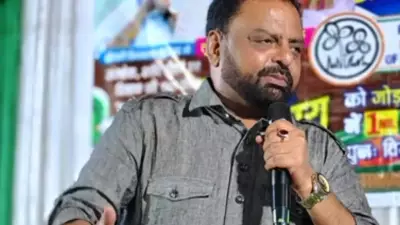
Deepak Chaudhary, founder of EVA Live, explains that India lacks regulated secondary ticketing platforms like the UK. "Nobody puts tickets on sale on any official website. In India, this isn’t a big enough business yet," he states, highlighting the prevalence of offline systems. He points out that while the Coldplay ticket situation was notable, India's ecosystem is still maturing and supply-demand often balances out, with consumers frequently contacting promoters directly.
Avadh Nagpal, co-founder of Souldout, outlines the common scalping method: "Scalpers buy early-phase tickets in bulk, often using multiple IDs or bots. When organisers move to higher pricing phases, they resell the old-phase tickets at inflated rates." This not only misleads fans with seemingly cheaper offers from unofficial sources but also leads to fraud and duplicate entries, harming both fans and organisers.
Is a UK-Style Law Feasible for India?
Experts believe the core issue is relevant, but implementation would require a tailored approach. Mohit Bijlani, founder of Team Innovation, acknowledges that India could adopt a similar framework in principle. "The execution would require collaboration between promoters, ticketing platforms, venues and regulators," he says. Implementing a resale cap would necessitate new systems like identity-linked tickets or official resale exchanges, demanding clear policies and industry-wide alignment.
Nagpal warns that scalping is a significant threat to building a fair concert economy in India's booming market. A regulated system, he argues, would protect fans from exploitation, build trust, and align the market with global standards. The consensus is clear: as India's live event scene grows, preemptive measures against ticket scalping will be crucial to ensure accessibility and fairness for all music lovers.