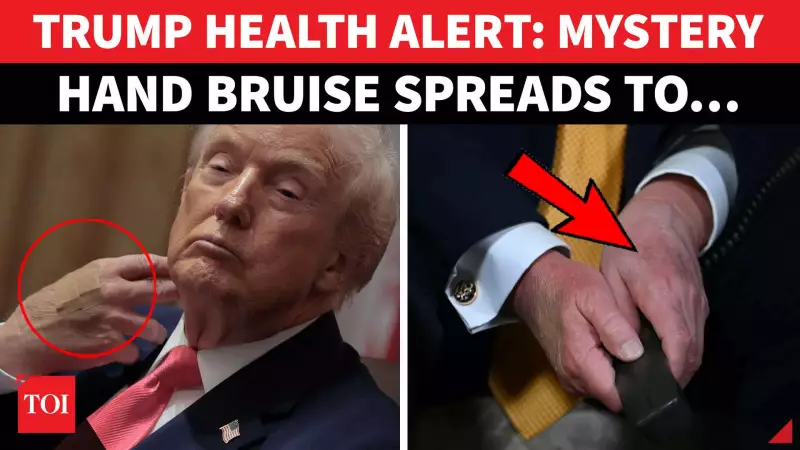
Fresh photographs revealing bruising on President Donald Trump's hands have triggered a significant public debate concerning his health and the level of transparency maintained by his administration. The images, which surfaced recently, show noticeable marks that have led to widespread speculation and concern among political observers and the general public.
Medical Opinions and Political Reactions
Medical professionals who have commented on the situation suggest that the bruising is likely a benign condition, often associated with the natural aging process. They indicate that such skin changes are common and not necessarily a sign of a serious underlying illness.
However, critics and political opponents argue that the White House's limited and vague explanations are actively contributing to the growing wave of speculation. They contend that a more detailed and forthright communication from the administration could quell unnecessary fears and public scrutiny. This lack of detailed information, they say, fuels doubts about the President's physical fitness to serve a second term.

A Broader Context of Scrutiny
The debate over President Trump's health is not occurring in a vacuum. It comes amid a complex global landscape where his administration is dealing with multiple international issues. While the news focuses on the health discussion, other significant events are unfolding concurrently.
These include heightened tensions between global powers, military actions, and diplomatic challenges. The administration's handling of the health narrative is being watched closely as a marker of its overall approach to public communication and crisis management.
Transparency and Public Trust
The core issue emerging from this episode extends beyond the medical details of bruising. It touches upon the fundamental relationship between a government and its citizens regarding transparency. The demand for clear information about the health of a nation's leader is a matter of public interest and national stability.
As the discussion continues, the pressure mounts on the White House to address the concerns directly. Whether the administration chooses to release more comprehensive medical details or maintains its current stance will significantly influence the trajectory of this public debate and its impact on the political climate.