Mass Fish Mortality in Kapiljora River Triggers Pollution Investigation
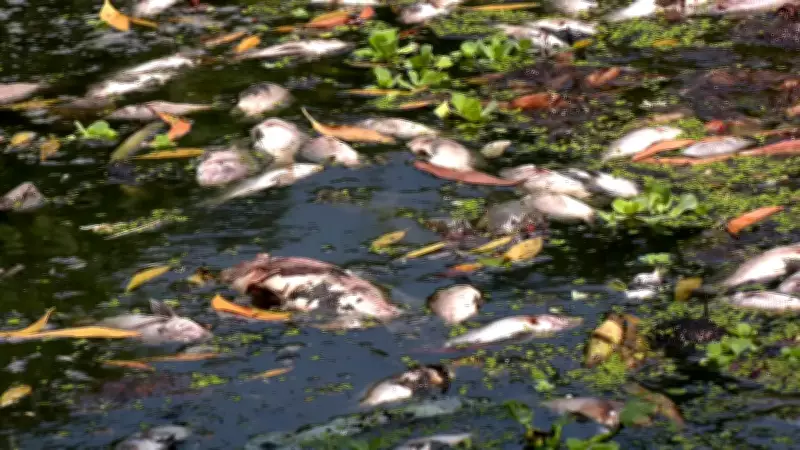
In a distressing environmental incident, hundreds of dead fish were discovered floating in the Kapiljora river near Paradip in Jagatsinghpur district of Odisha on Sunday morning. The alarming sight prompted immediate action from officials of the Odisha State Pollution Control Board (OSPCB), who swiftly visited the site to conduct a thorough investigation.
Local Response and Conflicting Allegations
The discovery drew large crowds of concerned locals to the riverbanks. While some residents gathered to collect the deceased fish, others voiced strong allegations, pointing fingers at industrial pollution from the Paradip area as the likely culprit behind the ecological disaster. This created a tense atmosphere as community members expressed frustration over recurring environmental degradation.
Official Blame Points to Local Sewage Dumping
Contrary to the locals' industrial pollution claims, OSPCB officials presented a different narrative. Puskar Chandra Behera, the regional officer of OSPCB, squarely blamed local residents for the incident. "Water contamination has reached alarming levels in the river due to widespread illegal dumping of sewage by slum dwellers and other locals into the creek," Behera stated emphatically.

He elaborated further, "The practice of discharging septic waste directly into the river is rampant among nearby slum communities, resulting in severely contaminated water that cannot sustain aquatic life." This direct accusation from pollution control authorities has intensified the debate about responsibility for the river's deteriorating health.
Scientific Findings Reveal Critical Water Conditions
According to preliminary investigations conducted by the OSPCB team, several alarming factors contributed to the mass fish mortality:
- Exceptionally high alkalinity levels in the water
- Elevated ammonia concentrations
- Heavy organic load overwhelming the ecosystem
- Dangerously high biological oxygen demand
Behera provided crucial data highlighting the severity of the situation: "The oxygen level in the river was measured at only 2mg per litre, which is critically low compared to the required 7mg per litre needed to sustain healthy aquatic life. This oxygen depletion, caused by pollution, appears to be the primary reason behind the fish deaths."
Call for Action and Awaiting Final Results
The OSPCB official emphasized the need for immediate intervention, stating, "Authorities must implement stringent measures against those who continue to dump septic and other waste into the creek. Without proper enforcement, such environmental disasters will recur."
While the preliminary findings point to sewage contamination as the cause, Behera cautioned that "the exact cause of the fish deaths will only be definitively established after we receive the clinical examination report from our laboratory." The collected water and fish samples have been sent for comprehensive analysis, with results expected to provide conclusive evidence about the contamination sources and specific pollutants responsible for the ecological crisis.
This incident has highlighted the ongoing struggle between industrial development and environmental protection in the Paradip region, while also raising questions about municipal waste management practices and their impact on vital water resources.