

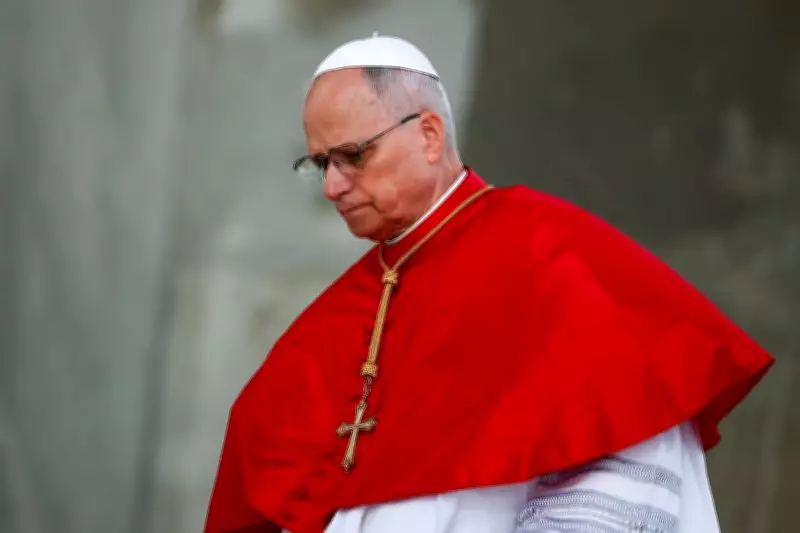
Trump's Sharp Critique of Pope Francis Sparks Global Debate
In a recent statement that has reverberated across political and religious circles, former US President Donald Trump launched a pointed criticism of Pope Francis, describing him as "not a fan of weak Pope Leo" and asserting that his leadership is "bad for foreign policy." This remark, made during a discussion on international diplomacy, highlights Trump's ongoing skepticism toward the Vatican's role in global affairs and underscores the complex interplay between religion and statecraft.
Trump's Views on Papal Influence in Diplomacy
Trump's comments reflect his broader perspective on strength and assertiveness in foreign policy. He argued that a perceived lack of firmness from Pope Francis could undermine diplomatic efforts, particularly in conflicts and negotiations involving Western nations. This critique aligns with Trump's long-standing emphasis on power and sovereignty in international relations, often contrasting with the Pope's advocacy for peace, environmental stewardship, and social justice.
Historical Context and Reactions

The reference to "Pope Leo" likely alludes to historical papal figures, though Trump's phrasing has been interpreted as a metaphorical jab at current leadership. Political analysts note that this is not the first time Trump has clashed with Pope Francis; during his presidency, tensions arose over issues such as immigration and climate change. The latest remarks have drawn mixed responses, with some supporters praising Trump's blunt assessment, while critics accuse him of undermining religious diplomacy and fostering division.
Implications for US-Vatican Relations
This incident could strain relations between the United States and the Vatican, especially if Trump's views gain traction among conservative factions. The Pope's office has not issued an official response, but Vatican observers suggest that such criticisms may prompt a reevaluation of engagement strategies with US political leaders. In the broader context, Trump's statements raise questions about the role of religious figures in shaping foreign policy and the balance between moral leadership and political pragmatism.
Global Perspectives on the Controversy
Internationally, reactions have varied, with European leaders expressing concern over the politicization of religious discourse, while some in Asia and Africa see it as reflective of broader geopolitical tensions. The debate underscores the enduring influence of the papacy in global diplomacy, despite evolving political landscapes. As Trump continues to be a vocal figure in US politics, his critiques of Pope Francis may influence future discussions on faith-based initiatives and international cooperation.
In summary, Trump's characterization of Pope Francis as "weak" and harmful to foreign policy adds a new layer to ongoing debates about leadership and diplomacy. This development highlights the intersection of religion and politics, with potential ramifications for global relations and domestic political discourse in the United States.






