In a significant development concerning Middle Eastern geopolitics, Russia has issued a public appeal for restraint. This call comes directly in response to a stark warning delivered by former United States President Donald Trump, who suggested a potential military strike against Iran could be imminent.
Trump's Provocative Warning Sparks International Concern
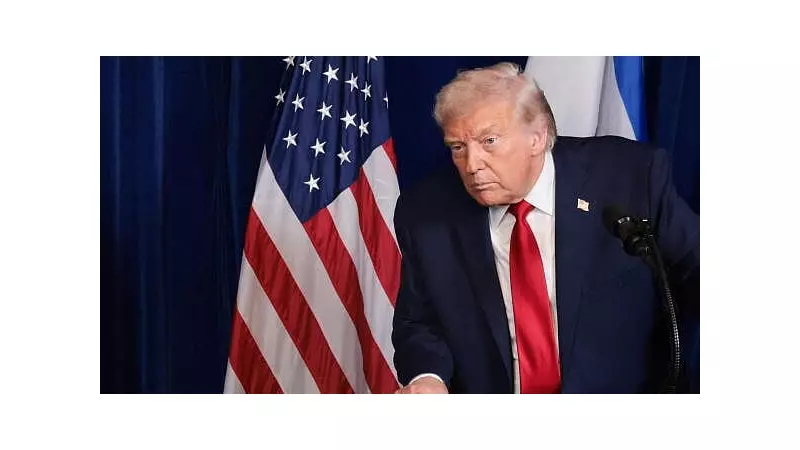
Former President Donald Trump, who is currently campaigning for a return to the White House, made the comments that triggered the diplomatic response. Speaking at a campaign event, Trump stated that if he were still in office, Iran would have been "hit very hard" following a recent attack on Israel. He further declared, "I will make sure that Iran will never have a nuclear weapon." While not detailing specific plans, the rhetoric was interpreted as a direct threat of military action, raising alarms about a possible escalation in an already volatile region.
Moscow's Diplomatic Response and Call for Calm
The Russian government, through its foreign ministry, swiftly reacted to Trump's statements. Kremlin spokesman Dmitry Peskov addressed the media, explicitly urging all parties involved to avoid any steps that could lead to a further deterioration of the situation. Russia emphasized the critical importance of resolving conflicts through political and diplomatic means, rather than through threats or the use of force. This position aligns with Moscow's longstanding role as a key player in Middle Eastern diplomacy and a strategic partner of Iran.

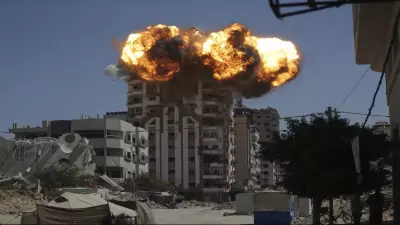
Analysts view Russia's statement as an attempt to position itself as a responsible global actor advocating for stability. The call for restraint is also seen as a move to prevent a sudden flare-up that could complicate Russia's own strategic interests in Syria and its broader relations in the region. The warning from Trump, coupled with the ongoing war in Gaza, has created a tinderbox scenario where a single miscalculation could spark a wider conflict.
Broader Implications for Regional and Global Security
The exchange highlights the fragile state of security in the Middle East. The prospect of a renewed confrontation between the United States and Iran, especially under a potential future Trump administration, adds a layer of uncertainty to global affairs. Key factors at play include Iran's nuclear program, its support for proxy groups across the region, and the enduring tensions between Iran and Israel.
International observers are closely monitoring the situation, concerned that aggressive rhetoric could translate into real-world consequences. The role of major powers like Russia and China in mediating or influencing the situation will be crucial in the coming months. The incident underscores how campaign rhetoric from a leading US presidential candidate can have immediate international repercussions, influencing diplomatic channels and regional stability even before an election is held.
For now, the world watches as diplomatic messages are exchanged behind the scenes. The priority for all stakeholders remains preventing an escalation that could have devastating humanitarian and economic impacts far beyond the immediate region.