In a dramatic escalation of tensions, Russia has publicly accused Ukraine of targeting the official residence of President Vladimir Putin with drones. The alleged incident occurred amidst sensitive diplomatic negotiations concerning a potential peace deal between the two warring nations.
Attack During Delicate Peace Talks
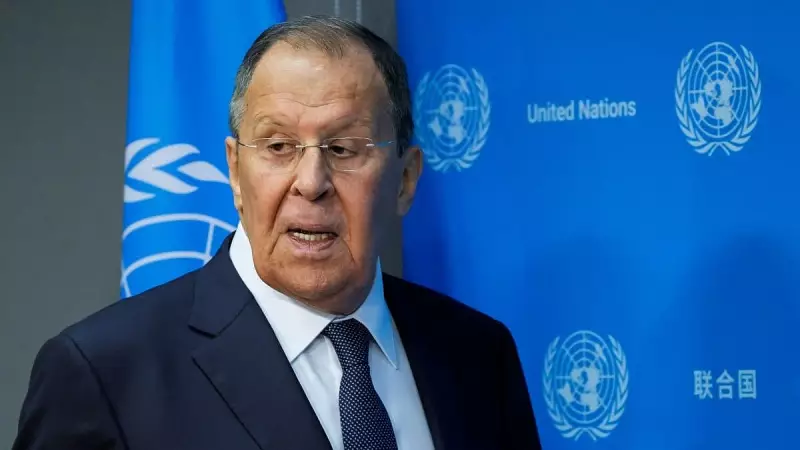
Russian Foreign Minister Sergey Lavrov stated that the drone attack took place on 29 December 2025. He emphasized the timing was particularly significant, as it happened while discussions about a possible Ukrainian peace agreement were underway. This development injects a severe dose of mistrust into an already fragile diplomatic process.
Lavrov, addressing the media, confirmed that Moscow would not abandon the negotiation table despite the provocation. However, he issued a stern warning, indicating that Russia's position in the talks would now be subject to a thorough review. This suggests a potential hardening of Moscow's stance in future diplomatic engagements.

Moscow's Stance and Warning of Consequences
The Russian government framed the alleged drone strike as a direct and brazen act of aggression against the highest office of the state. While specific details about the damage or interception methods were not immediately disclosed, the symbolic weight of targeting the President's home was heavily underscored in official statements.
Russia has explicitly warned of retaliation for the incident. The nature of this promised response remains unclear, but it signals a dangerous new phase where diplomatic channels and military posturing are operating simultaneously under high tension. The core accusation from Moscow is that Kyiv attempted to strike at the heart of Russian leadership while professing a desire for peace.
Implications for the Conflict and Diplomacy
This event poses a serious challenge to any ongoing or future peace initiatives. The key immediate consequences are:
- A severe blow to diplomatic trust: Accusations of attacks during talks make constructive dialogue exponentially harder.
- Escalatory rhetoric and actions: The promise of retaliation raises the risk of further military escalation.
- Uncertain future for negotiations: While Russia says talks will continue, its "reviewed" position likely means tougher demands.
As of now, Ukraine has not issued an official response to these specific allegations reported by Reuters. The international community watches closely, concerned that this incident could derail already slim hopes for a negotiated end to the prolonged and devastating conflict. The world now waits to see if this accusation becomes a pretext for a major new Russian offensive or a fatal stall in peace efforts.