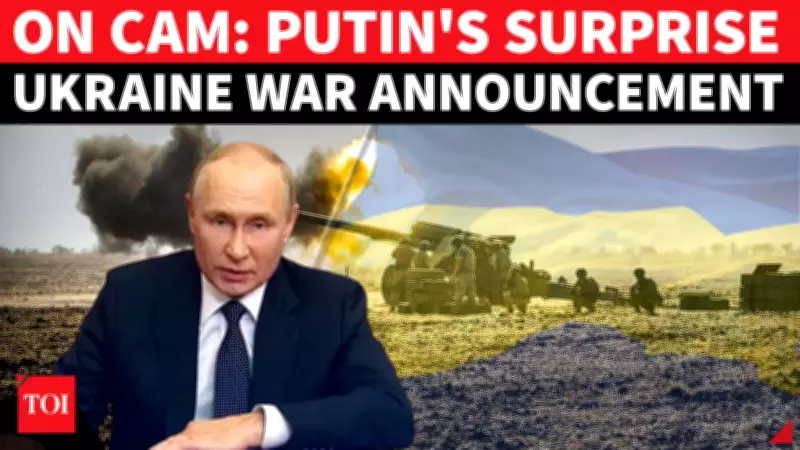
Russia has announced a temporary ceasefire on May 8–9 to mark Victory Day, commemorating the end of World War II in Europe, while urging Ukraine to halt hostilities. However, Moscow paired the move with a warning, stating any attack—especially targeting the capital during celebrations—would trigger strong retaliation against Kyiv.
Russia's Warning and Ukraine's Response
Russian officials also cited remarks by President Volodymyr Zelensky suggesting potential drone threats over Red Square. In response, Ukraine rejected the proposal, calling it unfair and noting no formal offer was received. Zelensky later said Kyiv would implement its own unilateral ceasefire starting May 5–6, adding that Ukraine’s actions would depend on Russia’s conduct.
Background and Context
Victory Day is a significant holiday in Russia, commemorating the Soviet Union's victory over Nazi Germany in 1945. The ceasefire announcement comes amid ongoing hostilities between Russia and Ukraine, with both sides accusing each other of violations. The Russian government has emphasized that any attack during the ceasefire period, especially on Moscow, would be met with a strong military response.

Ukraine's rejection of the Russian proposal highlights the continued tensions and lack of trust between the two nations. President Zelensky's announcement of a unilateral ceasefire demonstrates Ukraine's willingness to de-escalate but conditions it on Russia's actions. The international community continues to monitor the situation closely, with concerns over potential escalations.
Key Points
- Russia announces a temporary ceasefire on May 8-9 for Victory Day.
- Moscow warns of strong retaliation if Ukraine attacks during the ceasefire.
- Ukraine rejects the proposal, calling it unfair and lacking formal offer.
- Ukraine announces its own unilateral ceasefire starting May 5-6, conditional on Russia's conduct.
The situation remains fluid, with both sides positioning themselves for potential further conflict or negotiation. The ceasefire period may provide a brief respite, but underlying tensions persist.