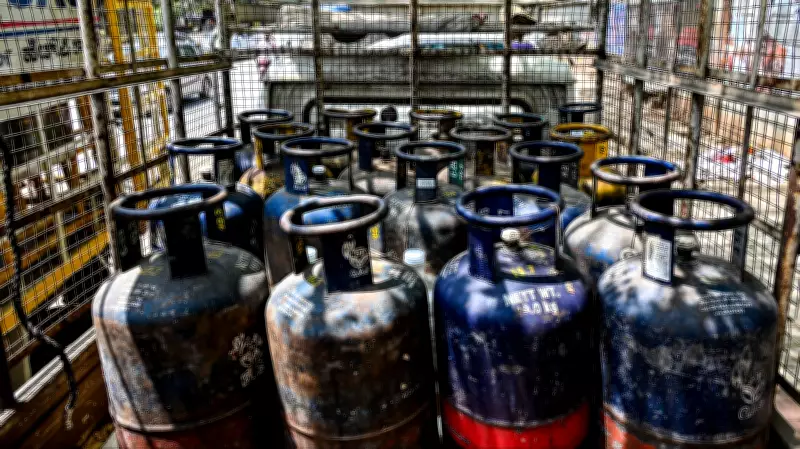
In a move that will impact businesses and restaurants across India, the price of commercial liquefied petroleum gas (LPG) has been hiked by Rs 993 per 19-kilogram cylinder. This marks the third consecutive monthly increase, with the latest revision attributed to ongoing tensions in West Asia.
Price Revision Details
The new price for a 19-kg commercial LPG cylinder in Delhi now stands at Rs 1,803.50, up from Rs 1,710.50 in the previous month. The hike, effective from the beginning of the month, has been implemented by state-owned oil marketing companies. Similar increases have been applied across other metro cities, with rates varying slightly due to local taxes and freight charges.
Impact on Consumers and Businesses
The price surge is expected to put additional financial strain on small businesses, hotels, and restaurants that rely heavily on LPG for cooking and operations. Industry bodies have expressed concern, stating that repeated hikes could lead to increased operational costs and potentially higher prices for end consumers. The restaurant association has called for government intervention to stabilize prices.

Geopolitical Factors
The price hike is largely driven by the escalating conflict in West Asia, which has disrupted global supply chains and pushed up crude oil and LPG prices in international markets. India imports a significant portion of its LPG requirements, making it vulnerable to global price volatility. The ongoing tensions have also led to higher shipping and insurance costs, further adding to the import bill.
Government's Response
The government has stated that it is monitoring the situation closely and exploring measures to mitigate the impact on consumers. Options under consideration include increasing domestic production, diversifying import sources, and providing subsidies to vulnerable sectors. However, no immediate relief is expected, as the global market remains uncertain.
In the meantime, businesses are advised to adopt energy-efficient practices and explore alternative fuels to reduce dependence on LPG. The government also encourages the use of piped natural gas (PNG) where available, as it is a cheaper and more stable alternative in the long run.