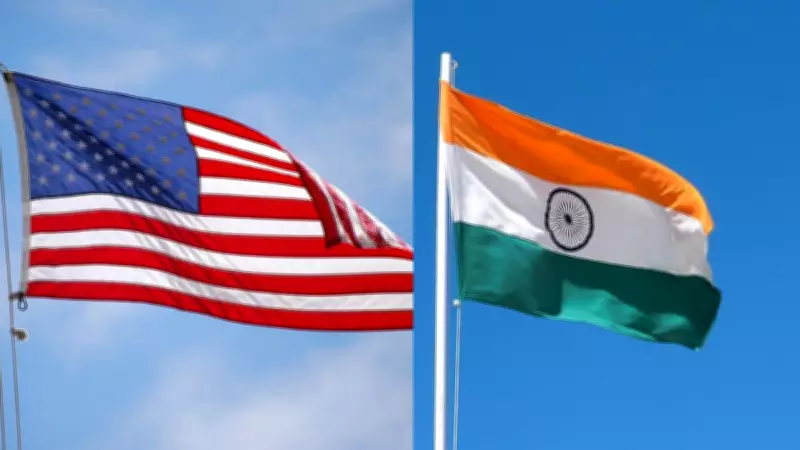
India and the United States have agreed to remain engaged on a bilateral trade agreement to maintain the positive momentum achieved in recent talks, the Indian government announced on Thursday. The decision underscores both nations' commitment to deepening economic cooperation and resolving trade differences.
Continued Dialogue on Trade Pact
In a joint statement, the two countries reaffirmed their intent to continue negotiations on a comprehensive trade agreement. The discussions, which have been ongoing for months, aim to reduce tariffs, enhance market access, and address long-standing trade disputes. The agreement is expected to boost bilateral trade, which currently stands at over $190 billion annually.
Key Areas of Focus
The proposed trade pact covers several critical sectors, including agriculture, pharmaceuticals, information technology, and manufacturing. Both sides have expressed optimism about reaching a mutually beneficial deal that would strengthen supply chains and promote investment.

- Reduction of tariff and non-tariff barriers
- Enhanced market access for goods and services
- Stronger intellectual property rights protection
- Cooperation on digital trade and data flows
Momentum from Recent Talks
The agreement to stay engaged follows a series of productive meetings between Indian and US trade officials. The recent talks have narrowed differences on several contentious issues, including agricultural subsidies and e-commerce regulations. Officials from both sides have described the discussions as constructive and forward-looking.
Strategic Importance
Analysts view the potential trade pact as a significant step in the strategic partnership between the world's two largest democracies. It is expected to not only boost economic growth but also serve as a counterbalance to China's growing influence in the region. The US is India's largest trading partner, and a comprehensive agreement could further integrate their economies.
The Indian government has emphasized that the pact will be designed to protect the interests of domestic industries while opening new opportunities for exporters. The Ministry of Commerce is leading the negotiations, with input from various stakeholders, including industry bodies and farmer organizations.
Next Steps
Both sides have agreed to hold the next round of talks in Washington D.C. later this year. The goal is to finalize the agreement by early 2027. The timeline reflects the complexity of the issues involved and the need for careful deliberation.
The announcement has been welcomed by business groups on both sides of the Atlantic. The US Chamber of Commerce called it a positive development that would provide certainty for businesses and investors. Similarly, the Federation of Indian Chambers of Commerce and Industry (FICCI) expressed hope that the pact would unlock new growth opportunities.
As the negotiations progress, both governments are expected to engage in extensive consultations with their respective legislatures and stakeholders to ensure broad support for the final agreement.